Blood Volume Calculator
Calculate your total blood volume based on your height, weight, and gender using the scientifically validated Nadler formula.
Total Blood Volume
Blood Volume Per Weight
Blood Components Breakdown
Blood Donation Facts
A typical blood donation is about 470ml (about 1 pint), which represents approximately of your total blood volume. Your body replaces this volume within 24-48 hours, and red blood cells are fully replenished in 4-8 weeks.
Understanding Blood Volume
Blood volume refers to the total amount of blood circulating in your body. For adults, blood volume typically represents about 7-8% of total body weight. This calculator uses Nadler's formula, one of the most accurate methods for estimating blood volume based on height, weight, and gender. Males generally have slightly higher blood volume per kilogram of body weight compared to females.
Nadler's Formula
For Males:
BV (L) = 0.3669 × H³ + 0.03219 × W + 0.6041
For Females:
BV (L) = 0.3561 × H³ + 0.03308 × W + 0.1833
Where: BV = Blood Volume (liters), H = Height (meters), W = Weight (kg)
Why Blood Volume Matters
- Medical Procedures: Accurate blood volume estimation is crucial for surgeries, transfusions, and dialysis treatments
- Diagnosis: Abnormal blood volume can indicate conditions like anemia, dehydration, or heart failure
- Medication Dosing: Some medications are dosed based on blood volume or related parameters
- Athletic Performance: Blood volume affects oxygen delivery and endurance capacity
- Blood Donation Safety: Understanding your blood volume helps ensure safe donation practices
Blood Composition
Plasma (55%)
The liquid component of blood, consisting of 90% water and 10% dissolved substances including proteins (albumin, globulins, fibrinogen), glucose, hormones, electrolytes, and waste products. Plasma transports nutrients, hormones, and proteins throughout the body.
Red Blood Cells (45%)
Also called erythrocytes, these cells contain hemoglobin which carries oxygen from the lungs to body tissues and returns carbon dioxide. An average adult has about 25 trillion red blood cells, which are produced in bone marrow and live for approximately 120 days.
White Blood Cells (<1%)
Also called leukocytes, these are immune system cells that defend against infections and foreign substances. Types include neutrophils, lymphocytes, monocytes, eosinophils, and basophils. A normal count is 4,000-11,000 per microliter.
Platelets (<1%)
Also called thrombocytes, these cell fragments are essential for blood clotting and wound healing. They rapidly gather at injury sites to form clots and prevent excessive bleeding. A normal platelet count is 150,000-400,000 per microliter.
Factors Affecting Blood Volume
Conditions Increasing Blood Volume
- • Pregnancy (30-50% increase by third trimester)
- • High-altitude adaptation
- • Chronic kidney disease
- • Heart failure
- • Excessive sodium intake
- • Certain hormonal conditions
Conditions Decreasing Blood Volume
- • Dehydration
- • Blood loss (injury, surgery, donation)
- • Anemia
- • Burns
- • Sepsis
- • Prolonged bed rest
Blood Donation Guidelines
Blood donation is a safe and vital process that saves lives. Understanding blood volume helps ensure safe donation practices.
Donation Facts:
- Standard whole blood donation: 470ml (1 pint) - takes about 10 minutes
- Minimum weight for donation: typically 50kg (110 lbs)
- Frequency: every 56 days (8 weeks) for whole blood
- Plasma donation: 880ml - can be done more frequently (every 28 days)
- Your body replaces plasma within 24 hours, red blood cells within 4-8 weeks
- Each donation can save up to 3 lives
- Less than 10% of eligible donors actually donate annually
References
The formulas and medical information used in this calculator are based on scientific research from reputable sources:
Related Calculators
Medical Disclaimer: This calculator provides estimates for educational purposes only and should not be used for medical diagnosis or treatment decisions. Blood volume calculations using Nadler's formula are estimates and may vary from actual measured values. Always consult with qualified healthcare professionals for medical advice, diagnosis, or treatment. In cases of blood loss, shock, or medical emergencies, seek immediate medical attention.
Recommended Calculator
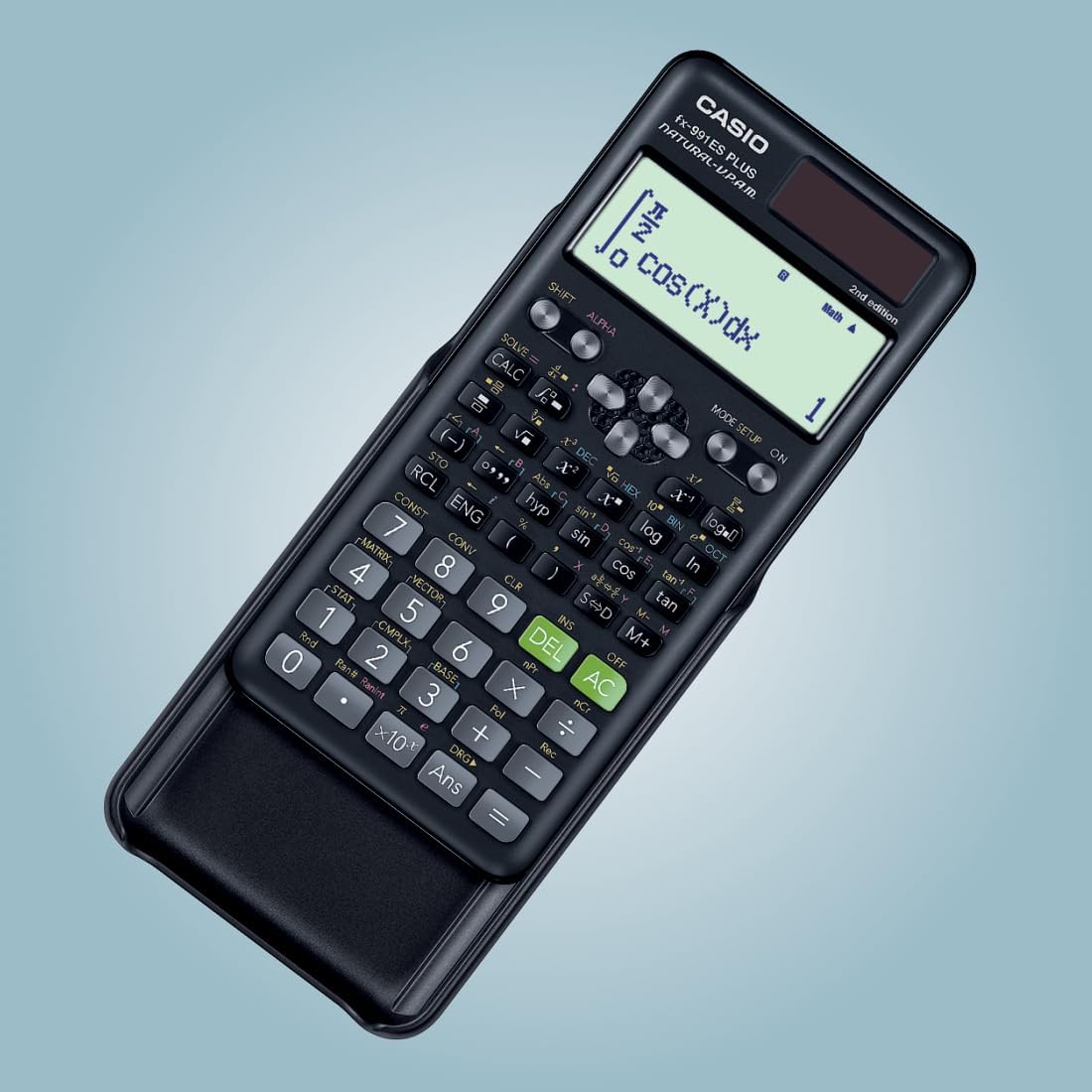
Casio FX-991ES Plus
The professional-grade scientific calculator with 417 functions, natural display, and solar power. Perfect for students and professionals.
View on Amazon