BMI by Age Calculator
Calculate your Body Mass Index (BMI) with age-appropriate interpretations. For children and teens (ages 2-20), results include CDC growth chart percentiles.
Your BMI
Weight Status
BMI Percentile (CDC Growth Chart)
BMI Range Visualization
<18.5
18.5-24.9
25-29.9
≥30
Healthy Weight Range
Recommendations:
Important Note
BMI is a screening tool and does not diagnose body fatness or health. Athletes with high muscle mass may have high BMI but low body fat. Consult a healthcare provider for personalized health assessment.
Understanding BMI (Body Mass Index)
BMI (Body Mass Index) is a widely used screening tool that estimates body fat based on height and weight. It was developed in the 1830s by Belgian mathematician Adolphe Quetelet and is used worldwide to categorize individuals into weight status categories and assess health risks associated with weight.
BMI Formula
Metric: BMI = weight (kg) / height² (m²)
Imperial: BMI = (weight (lbs) / height² (inches²)) × 703
BMI Categories for Adults (18+)
| BMI Range | Category | Health Risk |
|---|---|---|
| < 18.5 | Underweight | Malnutrition, weakened immunity |
| 18.5 - 24.9 | Normal Weight | Low risk (optimal range) |
| 25 - 29.9 | Overweight | Increased risk for health issues |
| 30 - 34.9 | Obese Class I | High risk |
| 35 - 39.9 | Obese Class II | Very high risk |
| ≥ 40 | Obese Class III | Extremely high risk |
BMI Percentiles for Children and Teens (Ages 2-20)
For children and teenagers, BMI is age and sex-specific because body composition changes with growth and development. The CDC uses BMI-for-age percentiles based on growth charts:
- Underweight: Less than 5th percentile
- Healthy Weight: 5th to less than 85th percentile
- Overweight: 85th to less than 95th percentile
- Obese: 95th percentile or greater
Limitations of BMI
While BMI is a useful screening tool, it has several limitations and should not be the only measure used to assess health:
Does Not Distinguish Body Composition
BMI cannot differentiate between muscle mass and fat mass. Athletes and bodybuilders with high muscle mass may be classified as "overweight" or "obese" despite having low body fat. Conversely, older adults may have "normal" BMI but high body fat percentage.
Does Not Account for Fat Distribution
BMI doesn't consider where fat is stored. Visceral fat (around organs) is more harmful than subcutaneous fat (under skin). Waist circumference and waist-to-hip ratio provide additional information about fat distribution and health risk.
Ethnic and Age Variations
Different ethnic groups may have different health risks at the same BMI. For example, Asian populations may have increased health risks at lower BMI values. Older adults may have different optimal BMI ranges than younger adults.
Individual Variations
BMI doesn't account for bone density, frame size, pregnancy status, or individual health conditions. A comprehensive health assessment should include multiple measurements and health markers.
Health Implications of BMI Categories
Low BMI (Underweight)
Associated Risks:
- • Weakened immune system
- • Osteoporosis and bone fractures
- • Malnutrition and vitamin deficiencies
- • Anemia
- • Fertility issues
- • Hair loss and skin problems
High BMI (Overweight/Obese)
Associated Risks:
- • Type 2 diabetes
- • Heart disease and stroke
- • High blood pressure
- • Certain cancers
- • Sleep apnea
- • Osteoarthritis
- • Fatty liver disease
Maintaining a Healthy Weight
- • Eat a balanced diet rich in fruits, vegetables, whole grains, and lean proteins
- • Engage in regular physical activity (150 minutes moderate exercise per week)
- • Get adequate sleep (7-9 hours per night)
- • Manage stress through healthy coping mechanisms
- • Stay hydrated and limit sugary drinks
- • Monitor portion sizes and practice mindful eating
- • Regular health check-ups and screenings
References
The BMI calculations and health information are based on guidelines from authoritative health organizations:
Related Calculators
Medical Disclaimer: This BMI calculator is for informational and educational purposes only. It should not be used as a substitute for professional medical advice, diagnosis, or treatment. BMI is a screening tool and does not directly measure body fat or overall health. Factors such as muscle mass, bone density, age, sex, and ethnicity affect the relationship between BMI and body fat. Always consult with a qualified healthcare provider for personalized medical advice and before making any decisions related to your health or weight management.
Recommended Calculator
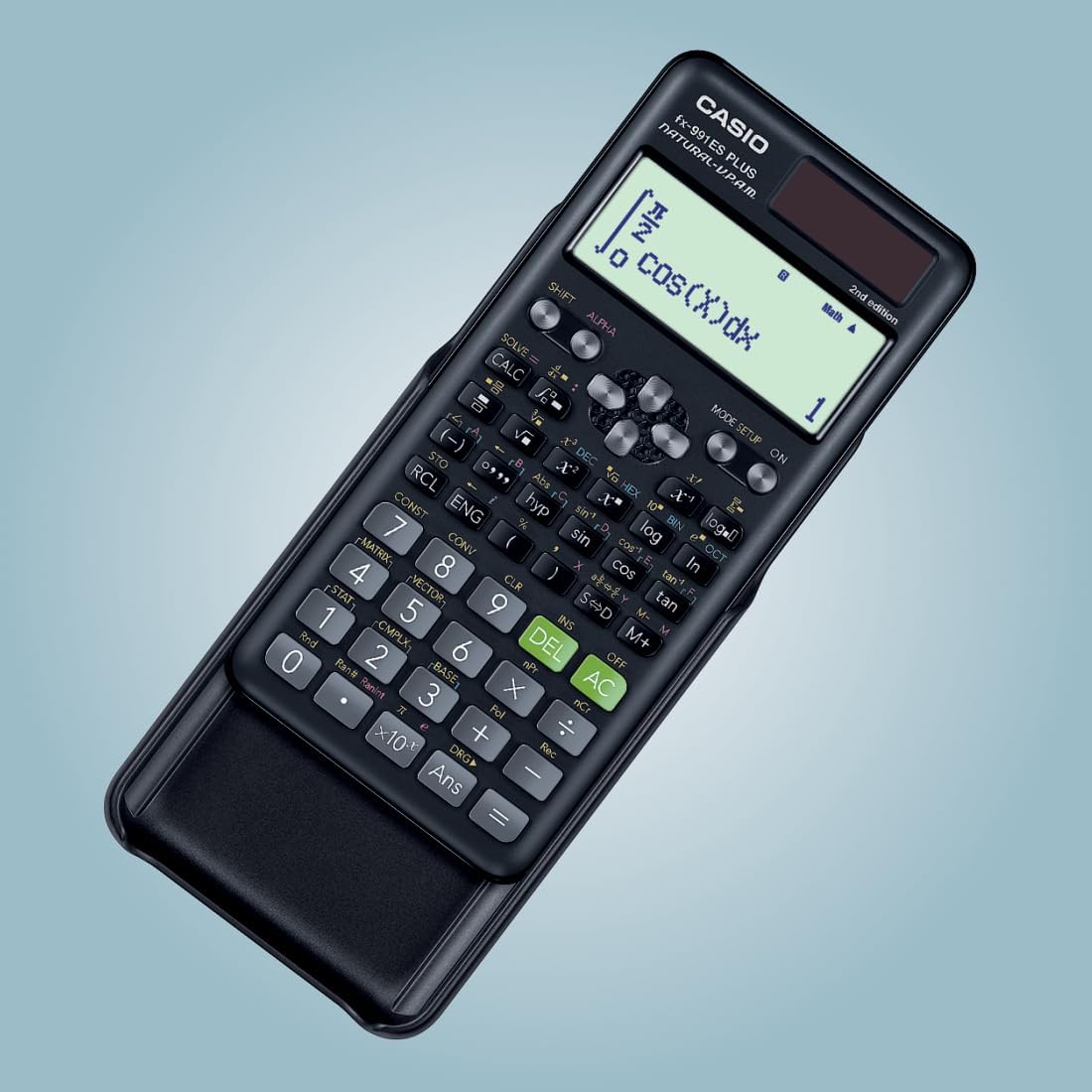
Casio FX-991ES Plus
The professional-grade scientific calculator with 417 functions, natural display, and solar power. Perfect for students and professionals.
View on Amazon