Body Water Percentage Calculator
Calculate your total body water (TBW) and body water percentage based on your age, gender, weight, and height using the scientifically validated Watson formula.
Total Body Water
Hydration Status
Body Water Distribution
Extracellular fluid includes plasma, interstitial fluid, and transcellular fluid
Body Composition
Daily Water Intake Recommendation
Based on your body water content, you should aim to drink approximately of water per day. This varies with activity level, climate, and health conditions. Listen to your body and drink when thirsty.
Understanding Body Water Percentage
Water is the most abundant component of the human body, accounting for 45-75% of body weight depending on age, gender, and body composition. This calculator uses the Watson formula, which estimates Total Body Water (TBW) based on anthropometric measurements. Body water is essential for cellular function, temperature regulation, nutrient transport, and waste removal.
Watson Formula
For Males:
TBW (L) = 2.447 - 0.09156 × Age + 0.1074 × Height + 0.3362 × Weight
For Females:
TBW (L) = -2.097 + 0.1069 × Height + 0.2466 × Weight
Where: TBW = Total Body Water (liters), Age (years), Height (cm), Weight (kg)
Typical Body Water Percentages
- Infants: 75-78% - Highest percentage due to rapid growth and development needs
- Adult Males: 50-65% - Higher due to greater muscle mass (muscle contains ~75% water)
- Adult Females: 45-60% - Lower due to higher essential body fat percentage
- Elderly: 45-55% - Decreases with age due to reduced muscle mass and cellular changes
- Athletes: 60-70% - Higher due to increased muscle mass and lower body fat
Body Water Compartments
Intracellular Fluid (ICF) - 60-67% of TBW
Water contained within cells. This is the largest body water compartment, approximately 28 liters in an average 70kg adult. ICF is rich in potassium, magnesium, and phosphate ions. It's essential for cellular metabolism, protein synthesis, and energy production.
Extracellular Fluid (ECF) - 33-40% of TBW
Water outside cells, approximately 14 liters in an average 70kg adult. ECF is rich in sodium and chloride ions. It includes:
- • Plasma: Liquid portion of blood (~3 liters)
- • Interstitial Fluid: Fluid between cells (~11 liters)
- • Transcellular Fluid: Specialized fluids like cerebrospinal fluid, synovial fluid, digestive secretions (~1 liter)
Factors Affecting Body Water Percentage
Increasing Body Water %
- • Higher muscle mass (muscle is ~75% water)
- • Lower body fat (fat tissue is ~10% water)
- • Younger age
- • Male gender
- • Athletic conditioning
- • Adequate hydration
Decreasing Body Water %
- • Higher body fat percentage
- • Lower muscle mass
- • Advanced age
- • Female gender (higher essential fat)
- • Dehydration
- • Certain medical conditions
Importance of Proper Hydration
Maintaining proper body water balance is crucial for health. Water performs numerous vital functions in the body.
Functions of Body Water:
- Temperature regulation through sweating and respiration
- Nutrient transport and absorption
- Waste removal through urine and feces
- Joint lubrication and cushioning
- Chemical reactions and metabolism
- Blood volume maintenance and circulation
- Cellular structure and function
- Protection of vital organs
Signs of Dehydration:
Mild (1-2% loss)
- • Thirst
- • Dry mouth
- • Dark urine
- • Reduced urine output
Moderate to Severe (3%+ loss)
- • Dizziness and confusion
- • Rapid heartbeat
- • Decreased skin elasticity
- • Extreme fatigue
Hydration Guidelines
Daily Water Intake Recommendations:
- Men: 3.7 liters (125 oz) total water per day from all sources
- Women: 2.7 liters (91 oz) total water per day from all sources
- Athletes: Additional 400-800ml per hour of exercise
- Hot Climate: Increase by 20-30% in hot weather or during illness
- About 20% of daily water intake typically comes from food
Tips for Staying Hydrated:
- Drink water regularly throughout the day, not just when thirsty
- Carry a reusable water bottle
- Drink water before, during, and after exercise
- Eat water-rich foods (fruits, vegetables, soups)
- Monitor urine color (pale yellow indicates good hydration)
- Increase intake during hot weather, illness, or physical activity
- Limit diuretics like caffeine and alcohol in moderation
References
The formulas and medical information used in this calculator are based on scientific research from reputable sources:
- Watson PE, Watson ID, Batt RD. Total body water volumes for adult males and females estimated from simple anthropometric measurements. Am J Clin Nutr. 1980;33(1):27-39.
- National Center for Biotechnology Information - Physiology, Body Fluids
- National Academies Press - Dietary Reference Intakes for Water
- Mayo Clinic - Water: How Much Should You Drink Every Day?
Related Calculators
Medical Disclaimer: This calculator provides estimates for educational purposes only and should not be used for medical diagnosis or treatment decisions. Body water calculations using the Watson formula are estimates and may vary from actual measured values. Individual hydration needs vary based on activity level, climate, health conditions, and other factors. Always consult with qualified healthcare professionals for medical advice, diagnosis, or treatment. In cases of severe dehydration or fluid imbalance, seek immediate medical attention.
Recommended Calculator
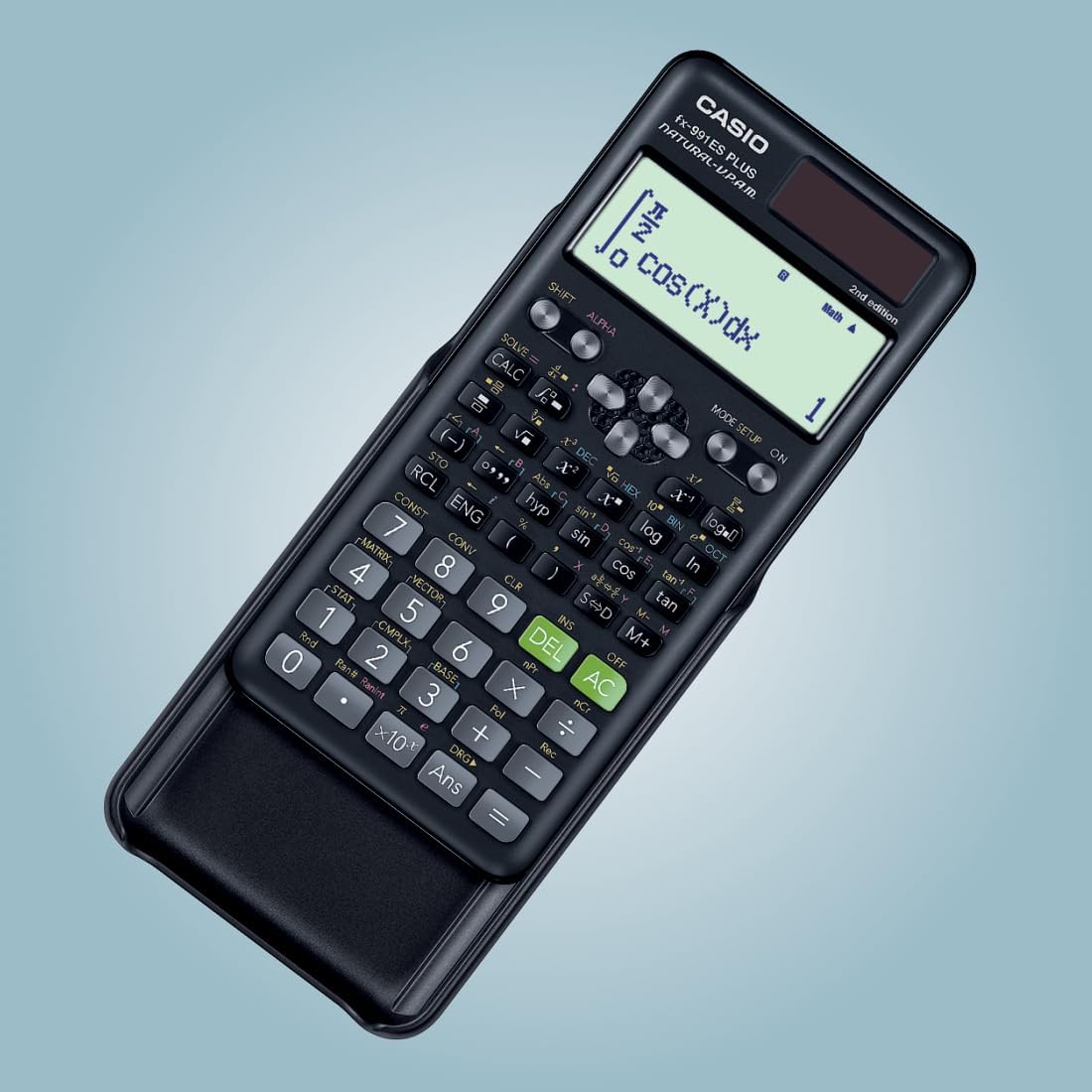
Casio FX-991ES Plus
The professional-grade scientific calculator with 417 functions, natural display, and solar power. Perfect for students and professionals.
View on Amazon