Cardiac Output Calculator
Calculate cardiac output, stroke volume, and cardiac index using multiple methods
Patient Information (for Cardiac Index)
Normal: 60-100 mL/beat
Normal resting: 60-100 bpm
The Fick principle uses oxygen consumption and arteriovenous oxygen difference to calculate cardiac output.
Oxygen consumption
Arterial O₂ content
Venous O₂ content
Estimate cardiac output based on clinical parameters and age-adjusted values.
Cardiac Output (CO)
Cardiac Index (CI)
Clinical Assessment
Calculation Method
Understanding Cardiac Output
Cardiac output (CO) is the volume of blood pumped by the heart per minute, measured in liters per minute (L/min). It is a fundamental measure of cardiovascular function and represents the amount of blood delivered to the body's tissues to supply oxygen and nutrients while removing carbon dioxide and metabolic waste products. Cardiac output is the product of stroke volume (blood pumped per beat) and heart rate (beats per minute).
Key Parameters
Cardiac Output (CO)
CO = Stroke Volume × Heart Rate
Normal range: 4-8 L/min at rest (varies with body size and fitness level)
Stroke Volume (SV)
Volume of blood ejected by the left ventricle with each contraction
Normal range: 60-100 mL/beat (70 mL average)
Heart Rate (HR)
Number of cardiac cycles (heartbeats) per minute
Normal resting range: 60-100 bpm (lower in trained athletes)
Cardiac Index (CI)
CI = Cardiac Output / Body Surface Area
Normal range: 2.5-4.0 L/min/m² (accounts for body size differences)
Measurement Methods
Fick Principle (Gold Standard)
Based on oxygen consumption and arteriovenous oxygen difference. Most accurate but invasive.
- • VO₂ = Oxygen consumption (mL/min)
- • CaO₂ = Arterial oxygen content (mL O₂/dL blood)
- • CvO₂ = Mixed venous oxygen content (mL O₂/dL blood)
- • Requires pulmonary artery catheterization
Thermodilution (Pulmonary Artery Catheter)
Cold saline injected into right atrium; temperature change measured at pulmonary artery.
- • Widely used in intensive care
- • Invasive but relatively safe
- • Continuous monitoring possible
- • Subject to technical errors
Echocardiography (Ultrasound)
Non-invasive imaging to measure left ventricular outflow tract diameter and velocity.
- • Most common non-invasive method
- • Calculates stroke volume from LVOT diameter and VTI
- • Real-time visualization of heart function
- • Operator-dependent accuracy
Impedance Cardiography
Measures changes in thoracic electrical impedance during cardiac cycle.
- • Completely non-invasive
- • Continuous monitoring
- • Lower accuracy than invasive methods
- • Useful for trending changes
Factors Affecting Cardiac Output
Factors Increasing CO
- ▲ Exercise: Increases both HR and SV, can reach 20-25 L/min in athletes
- ▲ Sympathetic Stimulation: Epinephrine and norepinephrine increase contractility
- ▲ Increased Preload: Greater venous return stretches ventricle (Frank-Starling)
- ▲ Reduced Afterload: Lower arterial pressure eases ejection
- ▲ Pregnancy: Increases by 30-50% to support fetal circulation
- ▲ Anxiety/Stress: Acute sympathetic activation
Factors Decreasing CO
- ▼ Heart Failure: Reduced contractility impairs pumping ability
- ▼ Myocardial Infarction: Damaged heart muscle reduces SV
- ▼ Hypovolemia: Low blood volume reduces preload and SV
- ▼ Severe Bradycardia: Very slow HR limits CO even with high SV
- ▼ Increased Afterload: High arterial pressure impedes ejection
- ▼ Valvular Disease: Stenosis or regurgitation reduces effective output
Clinical Significance
Low Cardiac Output (<4 L/min or CI <2.5)
Causes: Heart failure, cardiogenic shock, severe arrhythmias, hypovolemia, tamponade
Symptoms: Fatigue, weakness, confusion, cold extremities, low blood pressure, poor urine output
Normal Cardiac Output (4-8 L/min or CI 2.5-4.0)
Indicates: Adequate tissue perfusion and oxygenation at rest
Note: Normal values vary with age, body size, fitness level, and activity state
High Cardiac Output (>8 L/min or CI >4.0)
Physiological: Exercise, pregnancy, anxiety, fever
Pathological: Hyperthyroidism, severe anemia, septic shock, arteriovenous fistula, beriberi
References
Cardiac output measurement and interpretation are based on established cardiovascular physiology principles:
Related Calculators
Medical Disclaimer: This calculator is for educational and informational purposes only. Cardiac output values should be interpreted by qualified healthcare professionals in the context of complete clinical assessment. This tool does not replace professional medical evaluation, diagnosis, or treatment. Actual cardiac output measurements require appropriate medical equipment and trained personnel. If you have concerns about cardiovascular function, consult a healthcare provider.
Recommended Calculator
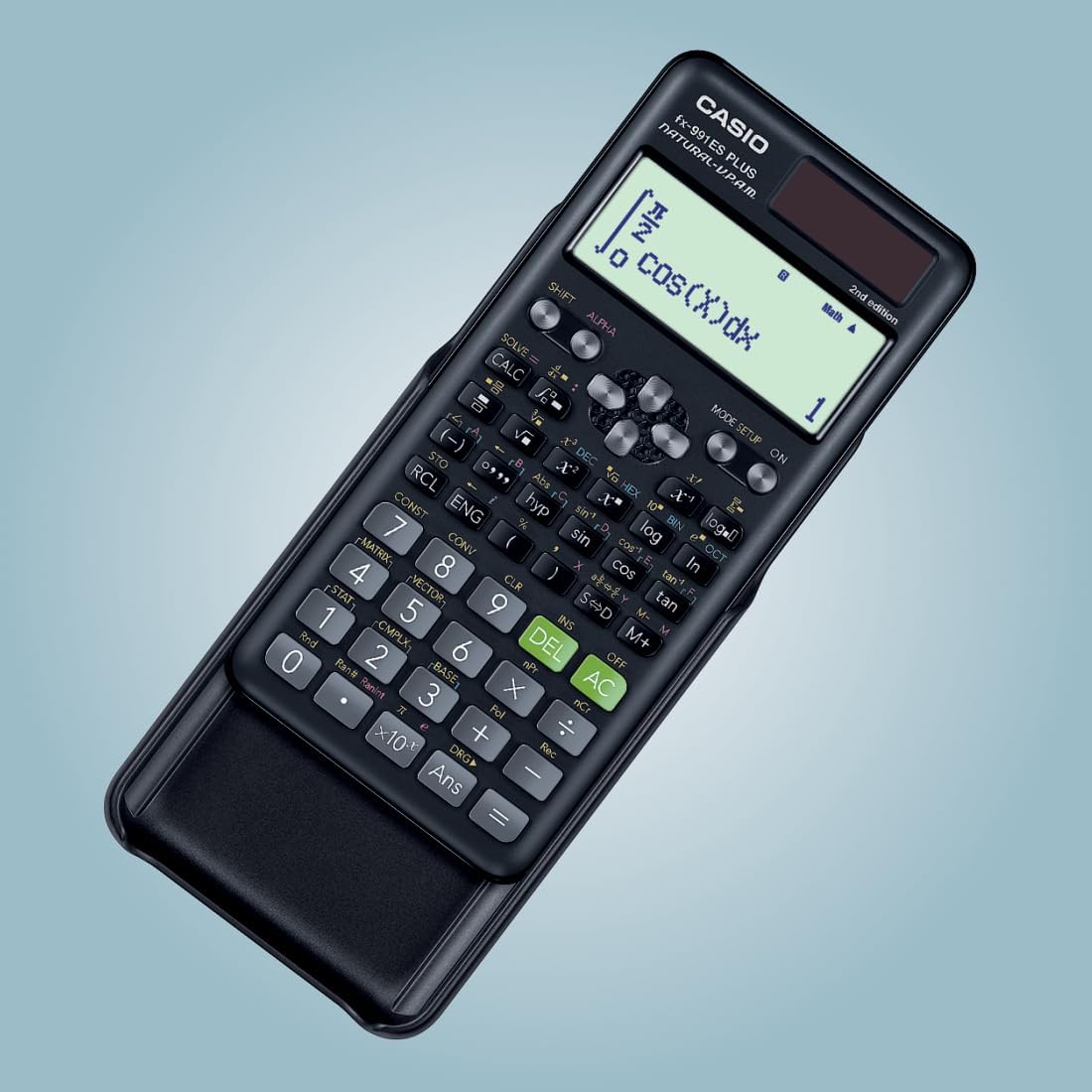
Casio FX-991ES Plus
The professional-grade scientific calculator with 417 functions, natural display, and solar power. Perfect for students and professionals.
View on Amazon