VO₂ Calculator
Calculate oxygen consumption, VO₂ max, and metabolic equivalents for fitness assessment
Patient Information
Fick Equation Parameters
VO₂ = Cardiac Output × (CaO₂ - CvO₂)
Arterial O₂ content
Venous O₂ content
Exercise Parameters
Metabolic Equivalents
1 MET = 3.5 mL/kg/min
Fitness Level
VO₂
METs
Cardiorespiratory Fitness Level
VO₂ Max Reference Range for Your Age/Sex
Calculation Details
Understanding VO₂ and VO₂ Max
VO₂ (oxygen consumption) is the rate at which the body consumes oxygen during physical activity, measured in milliliters per kilogram of body weight per minute (mL/kg/min) or liters per minute (L/min). VO₂ max represents the maximum rate of oxygen consumption attainable during maximal or exhaustive exercise and is considered the gold standard measurement of cardiorespiratory fitness and aerobic capacity. Higher VO₂ max values indicate better cardiovascular health and endurance performance capability.
Key Concepts
VO₂ (Oxygen Consumption)
Current rate of oxygen use during activity. Units: mL/kg/min or L/min. Varies with exercise intensity. Resting VO₂ ≈ 3.5 mL/kg/min (1 MET).
VO₂ Max (Maximal Oxygen Consumption)
Maximum oxygen consumption during maximal exercise. Best indicator of aerobic fitness. Elite endurance athletes: 70-85 mL/kg/min. Average adults: 30-40 mL/kg/min.
METs (Metabolic Equivalents)
1 MET = 3.5 mL/kg/min (resting metabolism)
Expresses energy cost relative to rest. Walking: 3-4 METs. Jogging: 6-8 METs. Running: 8-12 METs.
Fick Equation
VO₂ = Cardiac Output × (CaO₂ - CvO₂) × 10
Gold standard direct measurement requiring invasive catheterization. Measures arterial and venous oxygen content difference.
VO₂ Max Norms by Age and Sex
Males (mL/kg/min)
| Age | Poor | Fair | Average | Good | Excellent |
|---|---|---|---|---|---|
| 20-29 | <42 | 42-45 | 46-51 | 52-56 | >56 |
| 30-39 | <41 | 41-43 | 44-48 | 49-54 | >54 |
| 40-49 | <39 | 39-41 | 42-46 | 47-51 | >51 |
| 50-59 | <36 | 36-39 | 40-43 | 44-48 | >48 |
| 60+ | <33 | 33-36 | 37-40 | 41-45 | >45 |
Females (mL/kg/min)
| Age | Poor | Fair | Average | Good | Excellent |
|---|---|---|---|---|---|
| 20-29 | <36 | 36-39 | 40-43 | 44-50 | >50 |
| 30-39 | <34 | 34-37 | 38-42 | 43-48 | >48 |
| 40-49 | <32 | 32-35 | 36-40 | 41-46 | >46 |
| 50-59 | <29 | 29-32 | 33-36 | 37-42 | >42 |
| 60+ | <27 | 27-30 | 31-34 | 35-39 | >39 |
Factors Affecting VO₂ Max
Non-Modifiable Factors
- • Age: Declines ~1% per year after age 25. Peak typically 18-25 years
- • Sex: Males average 10-12% higher than females (more muscle mass, higher hemoglobin)
- • Genetics: 20-30% of variance is inherited. Determines mitochondrial density and fiber type
- • Body Composition: Fat tissue doesn't consume oxygen during exercise (negative correlation)
Modifiable Factors
- ▲ Aerobic Training: 10-20% improvement possible with consistent training over 3-6 months
- ▲ Altitude Training: Living/training at altitude increases red blood cell production
- ▲ Interval Training: High-intensity intervals most effective for VO₂ max improvement
- ▼ Detraining: Significant decline within 2-3 weeks of inactivity
- ▼ Smoking: Reduces oxygen carrying capacity and damages airways
Clinical Applications
Health Risk Assessment
- • Low VO₂ max predicts cardiovascular disease mortality
- • Each 1-MET increase reduces mortality risk by 10-25%
- • Better predictor than traditional risk factors
- • Guides exercise prescription intensity
Athletic Performance
- • Elite endurance athletes: 70-85 mL/kg/min
- • Determines sustainable race pace
- • Monitors training effectiveness
- • Identifies talent in young athletes
Cardiac Rehabilitation
- • Assesses exercise capacity post-MI or surgery
- • Guides safe exercise intensity targets
- • Monitors recovery progress
- • Determines functional capacity (METs)
Surgical Risk Stratification
- • Predicts perioperative complications
- • ≥4 METs needed for low surgical risk
- • Guides preoperative optimization
- • Informs anesthesia planning
Common Activities and METs Values
Light Intensity (<3 METs)
- • Sleeping: 0.9-1.0
- • Watching TV: 1.0
- • Light housework: 2.0-2.5
- • Walking slowly (2 mph): 2.5
- • Cooking: 2.0-2.5
Moderate Intensity (3-6 METs)
- • Walking briskly (3-4 mph): 3.5-4.3
- • Cycling leisurely: 3.5-4.0
- • Dancing: 4.5
- • Gardening: 4.0-5.0
- • Golf (walking): 4.8
Vigorous Intensity (>6 METs)
- • Jogging (5 mph): 7.0-8.0
- • Running (6-7 mph): 9.0-11.5
- • Swimming laps: 8.0-10.0
- • Basketball game: 8.0
- • Cycling fast: 10.0-12.0
References
VO₂ and VO₂ max measurements are based on established exercise physiology principles:
Related Calculators
Medical Disclaimer: This calculator is for educational and fitness assessment purposes only. VO₂ and VO₂ max values should be interpreted in the context of complete health assessment. This tool does not replace professional exercise testing or medical evaluation. Maximal exercise testing should be performed under medical supervision, especially for individuals with cardiovascular disease risk factors. Consult a healthcare provider or certified exercise physiologist for comprehensive fitness assessment and exercise prescription.
Recommended Calculator
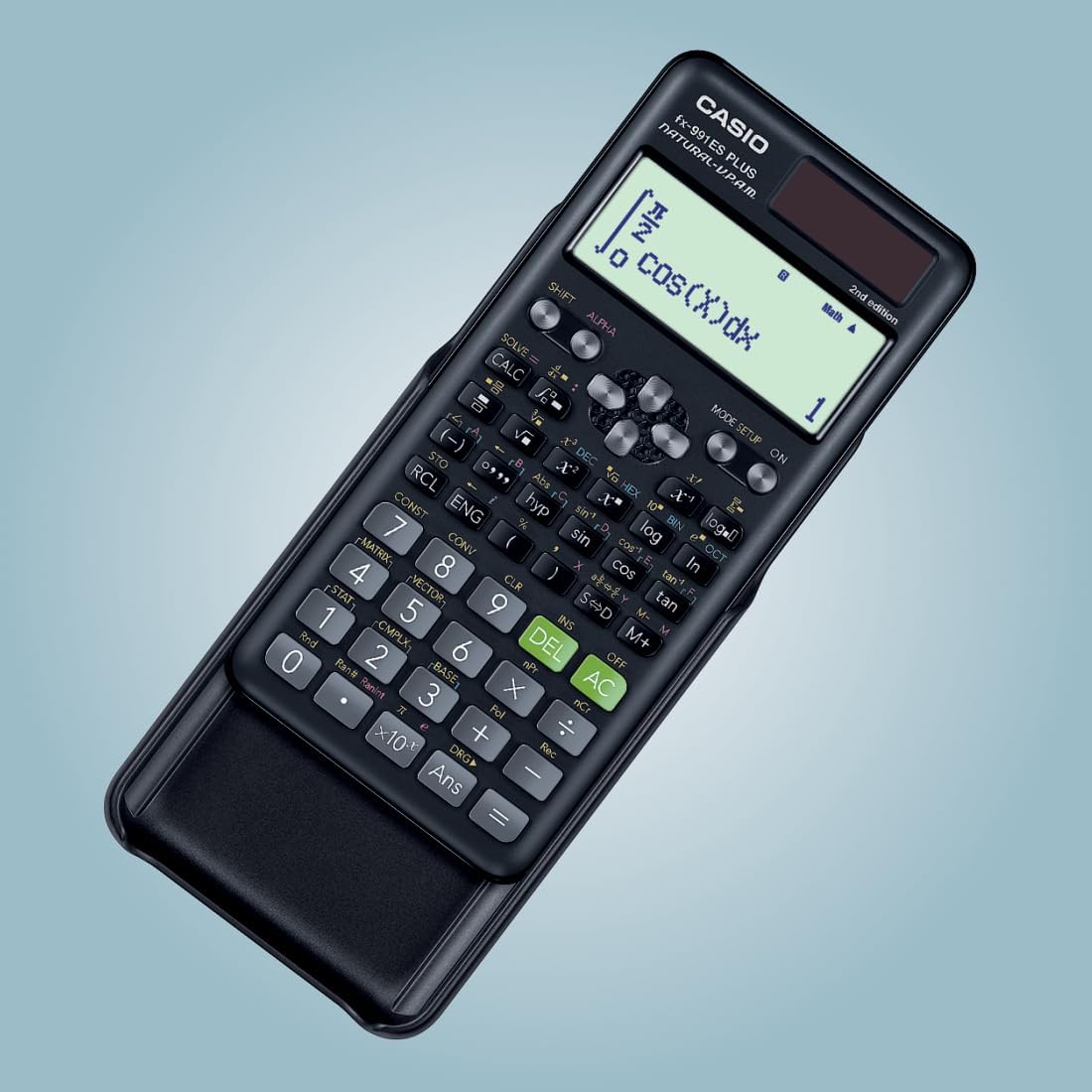
Casio FX-991ES Plus
The professional-grade scientific calculator with 417 functions, natural display, and solar power. Perfect for students and professionals.
View on Amazon