Atomic Mass Calculator
Calculate atomic mass and molecular weight of elements and compounds using isotopic abundance and mass numbers
Enter elements with capital letters followed by subscript numbers (e.g., H2SO4)
Molecular Weight
grams per mole (g/mol)
Formula
Element Breakdown
Percent Composition by Mass
Understanding Atomic Mass
Atomic mass (also called atomic weight or molecular weight) is the mass of an atom or molecule expressed in unified atomic mass units (u or amu). For molecules, the molecular mass is the sum of the atomic masses of all atoms in the chemical formula. One mole of any substance contains Avogadro's number (6.022 × 10²³) of particles and has a mass in grams numerically equal to the molecular mass.
How to Use This Calculator
- Enter the chemical formula using element symbols from the periodic table
- Use capital letters for element symbols (e.g., H for hydrogen, C for carbon)
- Add subscript numbers after elements to indicate quantity (e.g., H2O, CO2)
- For complex formulas, use parentheses with subscripts (e.g., Ca(OH)2)
- The calculator provides molecular weight, element breakdown, and percent composition
Common Chemical Formulas
Water
Formula: H2O
Molecular weight: ~18.015 g/mol
Carbon Dioxide
Formula: CO2
Molecular weight: ~44.009 g/mol
Glucose
Formula: C6H12O6
Molecular weight: ~180.156 g/mol
Sulfuric Acid
Formula: H2SO4
Molecular weight: ~98.079 g/mol
Sodium Chloride
Formula: NaCl
Molecular weight: ~58.443 g/mol
Calcium Hydroxide
Formula: Ca(OH)2
Molecular weight: ~74.093 g/mol
Key Concepts
Atomic Mass Unit (amu)
One atomic mass unit is defined as 1/12 of the mass of a carbon-12 atom. It equals approximately 1.66054 × 10⁻²⁷ kilograms. This unit provides a convenient way to express the mass of atoms and molecules.
Molar Mass
Molar mass is the mass of one mole of a substance, expressed in grams per mole (g/mol). It is numerically equal to the molecular mass but expressed in different units. For example, water (H₂O) has a molecular mass of 18.015 amu and a molar mass of 18.015 g/mol.
Percent Composition
Percent composition shows the percentage by mass of each element in a compound. It is calculated by dividing the total mass of each element by the molecular mass and multiplying by 100. This is useful for determining empirical formulas and analyzing chemical composition.
Isotopes and Atomic Mass
The atomic mass values used in this calculator are weighted averages that account for the natural abundance of different isotopes of each element. For example, chlorine has two main isotopes (Cl-35 and Cl-37), giving it an average atomic mass of about 35.45 amu.
Practical Applications
- Stoichiometry: Calculate amounts of reactants and products in chemical reactions
- Laboratory Work: Prepare solutions of specific molarity by weighing compounds
- Pharmaceutical Industry: Determine dosages and compound purity
- Environmental Science: Analyze pollutants and their concentrations
- Materials Science: Design compounds with specific properties
- Quality Control: Verify composition of manufactured chemical products
References
The atomic mass values used in this calculator are based on standard atomic weights from authoritative sources:
Note: This calculator uses standard atomic weights as defined by IUPAC. The molecular weights are calculated based on the most common isotopes of each element. For precise scientific work requiring isotope-specific calculations, consult specialized resources.
Recommended Calculator
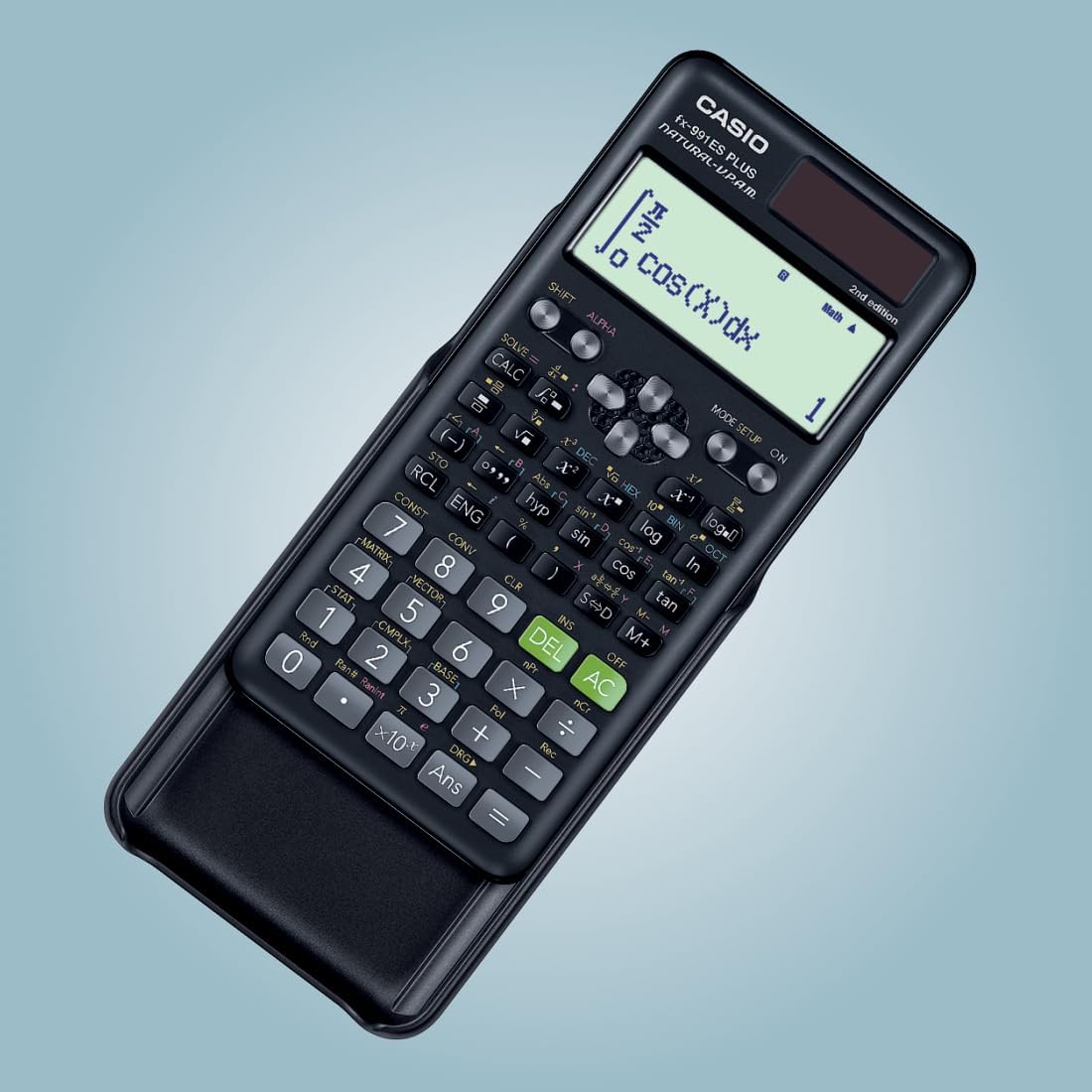
Casio FX-991ES Plus
The professional-grade scientific calculator with 417 functions, natural display, and solar power. Perfect for students and professionals.
View on Amazon