Reaction Yield Calculator
Calculate percent yield, theoretical yield, or actual yield for your chemical reactions
Yield Information
The amount of product you actually obtained
The maximum possible product from stoichiometry
Yield Information
The efficiency of your reaction
The maximum possible product from stoichiometry
Yield Information
The amount of product you actually obtained
The efficiency of your reaction
Result
Theoretical Yield
Maximum possible
Actual Yield
What you obtained
Percent Yield
Reaction efficiency
Reaction Efficiency
Product Loss
Calculation
Understanding Reaction Yield
Reaction yield is a measure of the efficiency of a chemical reaction. In practice, chemical reactions rarely produce 100% of the theoretical yield due to various factors such as incomplete reactions, side reactions, product loss during purification, and equilibrium limitations. Understanding and calculating percent yield is crucial for optimizing chemical processes and evaluating reaction success.
Key Definitions
- Theoretical Yield: The maximum amount of product that can be formed from the limiting reagent, calculated using stoichiometry
- Actual Yield: The amount of product actually obtained from the reaction in the laboratory or industrial setting
- Percent Yield: The ratio of actual yield to theoretical yield, expressed as a percentage: (Actual ÷ Theoretical) × 100%
- Product Loss: The difference between theoretical and actual yield, representing inefficiency or material loss
Yield Formulas
Percent Yield Formula
Actual Yield Formula
Theoretical Yield Formula
Example Problems
Example 1: Calculating Percent Yield
A reaction should theoretically produce 50.0 g of product, but you only obtained 37.5 g. What is the percent yield?
Solution:
Percent Yield = (37.5 g ÷ 50.0 g) × 100%
Percent Yield = 0.75 × 100%
Percent Yield = 75.0%
Example 2: Calculating Actual Yield
The theoretical yield is 120.0 g and the percent yield is 82.5%. What is the actual yield?
Solution:
Actual Yield = (82.5 × 120.0 g) ÷ 100
Actual Yield = 9,900 ÷ 100
Actual Yield = 99.0 g
Example 3: Calculating Theoretical Yield
You obtained 45.0 g of product with a percent yield of 90.0%. What was the theoretical yield?
Solution:
Theoretical Yield = (45.0 g × 100) ÷ 90.0
Theoretical Yield = 4,500 ÷ 90.0
Theoretical Yield = 50.0 g
Factors Affecting Reaction Yield
Chemical Factors
- • Incomplete reactions and equilibrium limitations
- • Side reactions producing unwanted byproducts
- • Reversible reactions reaching equilibrium
- • Impure reactants or contamination
- • Catalyst efficiency and deactivation
Operational Factors
- • Product loss during isolation and purification
- • Transfer losses between containers
- • Incomplete separation from reaction mixture
- • Measurement and weighing errors
- • Temperature and pressure control issues
Typical Yield Ranges
- • Excellent yield: 90-100% (rare in practice)
- • Good yield: 70-90% (common for well-optimized reactions)
- • Moderate yield: 50-70% (acceptable for complex syntheses)
- • Low yield: <50% (may need optimization)
Real-World Applications
Pharmaceutical Manufacturing
Percent yield calculations are critical for drug production, where even small improvements in yield can save millions of dollars. Pharmaceutical companies constantly optimize reactions to maximize yield while maintaining purity.
Industrial Chemistry
Chemical plants use yield calculations to optimize production processes, reduce waste, and improve profitability. High yields mean less raw material waste and lower production costs.
Research and Development
Scientists use percent yield to evaluate reaction success, compare different synthetic routes, and identify steps that need optimization in multi-step syntheses.
Green Chemistry
Maximizing yield is a key principle of green chemistry, reducing waste generation and improving atom economy for more sustainable chemical processes.
References
The calculations and concepts used in this calculator are based on fundamental stoichiometry principles from reputable sources:
Note: This calculator provides theoretical calculations based on the fundamental percent yield formula. Actual laboratory results may vary due to experimental conditions, measurement precision, and reaction-specific factors. Always follow proper laboratory safety protocols and techniques when conducting chemical reactions.
Recommended Calculator
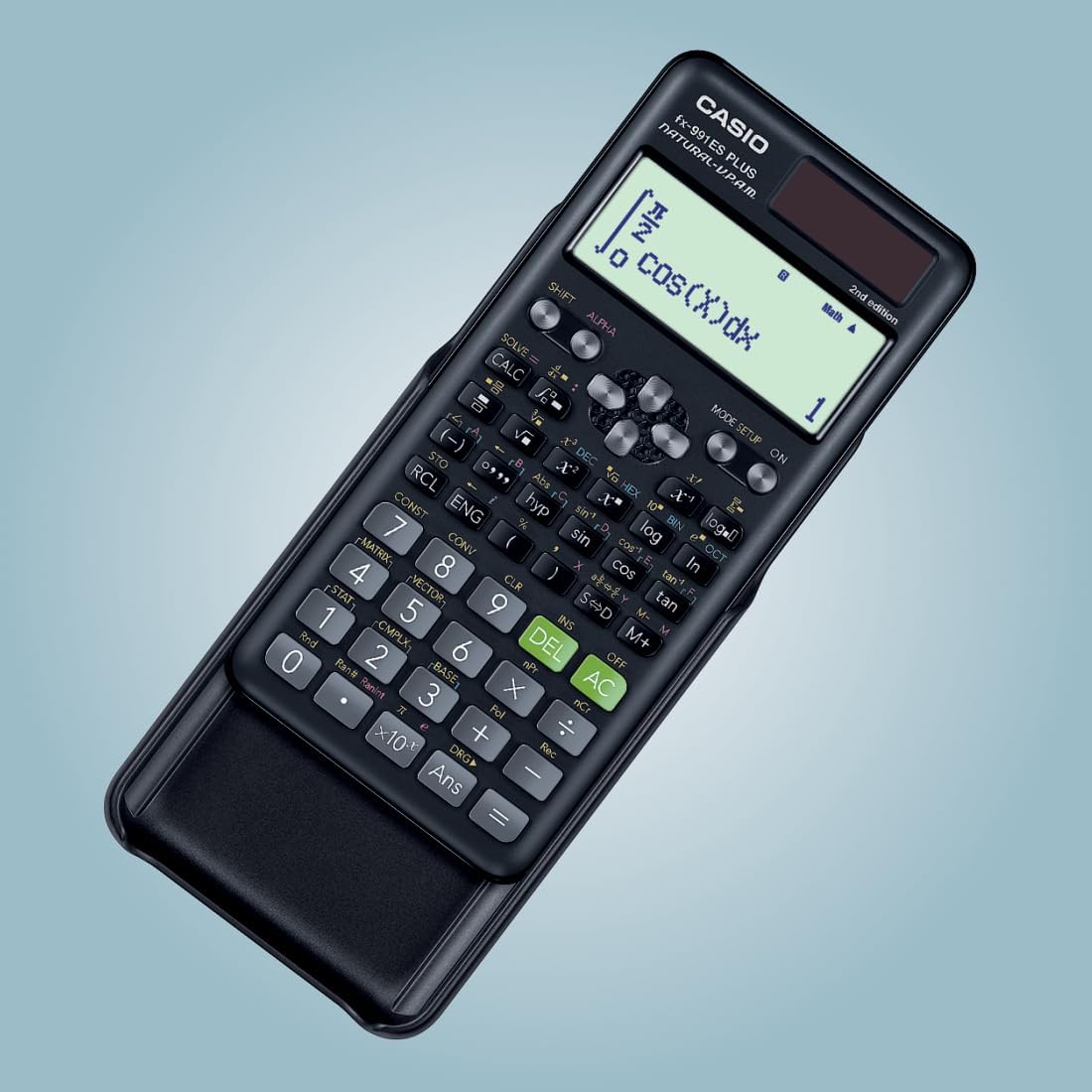
Casio FX-991ES Plus
The professional-grade scientific calculator with 417 functions, natural display, and solar power. Perfect for students and professionals.
View on Amazon