Flooring Area Calculator
Calculate the total flooring area needed for rooms including waste and cutting allowance
Room 1
Subtract area for built-in cabinets, kitchen islands, or other permanent fixtures
Flooring Material
Package Size
Check the product packaging for coverage per box
Results
Step-by-Step Calculation
How to Measure a Room for Flooring
Accurate measurements are the key to ordering the right amount of flooring. Always measure at the widest points and round up to the nearest inch.
- Clear the room — move furniture and any obstacles along the walls so you can measure wall to wall.
- Measure length and width — use a tape measure along the longest wall for the length, and the perpendicular wall for the width. Measure at the floor, not at waist height.
- Break irregular shapes into rectangles — for L-shaped or U-shaped rooms, divide the space into simple rectangular sections and measure each one.
- Account for closets and alcoves — measure closets, bay windows, and alcoves separately and add them to the total.
- Subtract permanent fixtures — kitchen islands, built-in cabinets, and other permanent structures that sit on the subfloor can be subtracted.
- Add waste factor — always add 10% for cutting waste, or more for diagonal layouts and complex rooms.
Flooring Types Compared
| Type | Box Coverage | Typical Waste | Lifespan | Best For |
|---|---|---|---|---|
| Hardwood | 18-25 ft²/box | 10-15% | 25-100+ years | Living rooms, bedrooms, hallways |
| Laminate / LVP | 18-24 ft²/box | 10% | 15-25 years | All rooms, budget-friendly |
| Ceramic / Porcelain | 10-16 ft²/box | 10-20% | 50-100+ years | Bathrooms, kitchens, entryways |
| Vinyl Sheet | Sold by linear ft | 5-10% | 10-20 years | Bathrooms, laundry, basements |
| Carpet | Sold by sq yd (9 ft²) | 10% | 5-15 years | Bedrooms, family rooms, stairs |
Understanding Waste Factors
Waste is caused by cutting planks or tiles to fit at walls, doorways, and transitions. The more cuts required, the higher the waste percentage.
Lower Waste (5-10%)
- • Large, rectangular rooms
- • Straight (parallel) installation
- • Few doorways and transitions
- • Wide planks in large spaces
- • Experienced installer
Higher Waste (15-20%)
- • Irregular or angled rooms
- • Diagonal or herringbone pattern
- • Many doorways, closets, or alcoves
- • Small tiles in large areas
- • Pattern-matching required
Flooring Installation Tips
- Allow hardwood and laminate to acclimate in the room for 48-72 hours before installation
- Always start from the longest, most visible wall and work toward doorways
- Leave a 1/4" to 3/8" expansion gap along all walls for hardwood and laminate
- Stagger plank joints by at least 6 inches between rows to prevent pattern repetition
- For tile, dry-lay a section first to plan cuts and avoid narrow slivers along walls
- Use transition strips at doorways between rooms with different flooring
- Carpet should be stretched with a power stretcher, not just a knee kicker, for lasting results
- Buy all material at once to ensure consistent color and dye lot matching
Related Calculators
Note: This calculator provides estimates based on room dimensions and standard waste percentages. Actual material needs may vary depending on the specific product, installation pattern, room complexity, and installer skill. Always verify the coverage per box on the product packaging and consult your flooring supplier.
Recommended Calculator
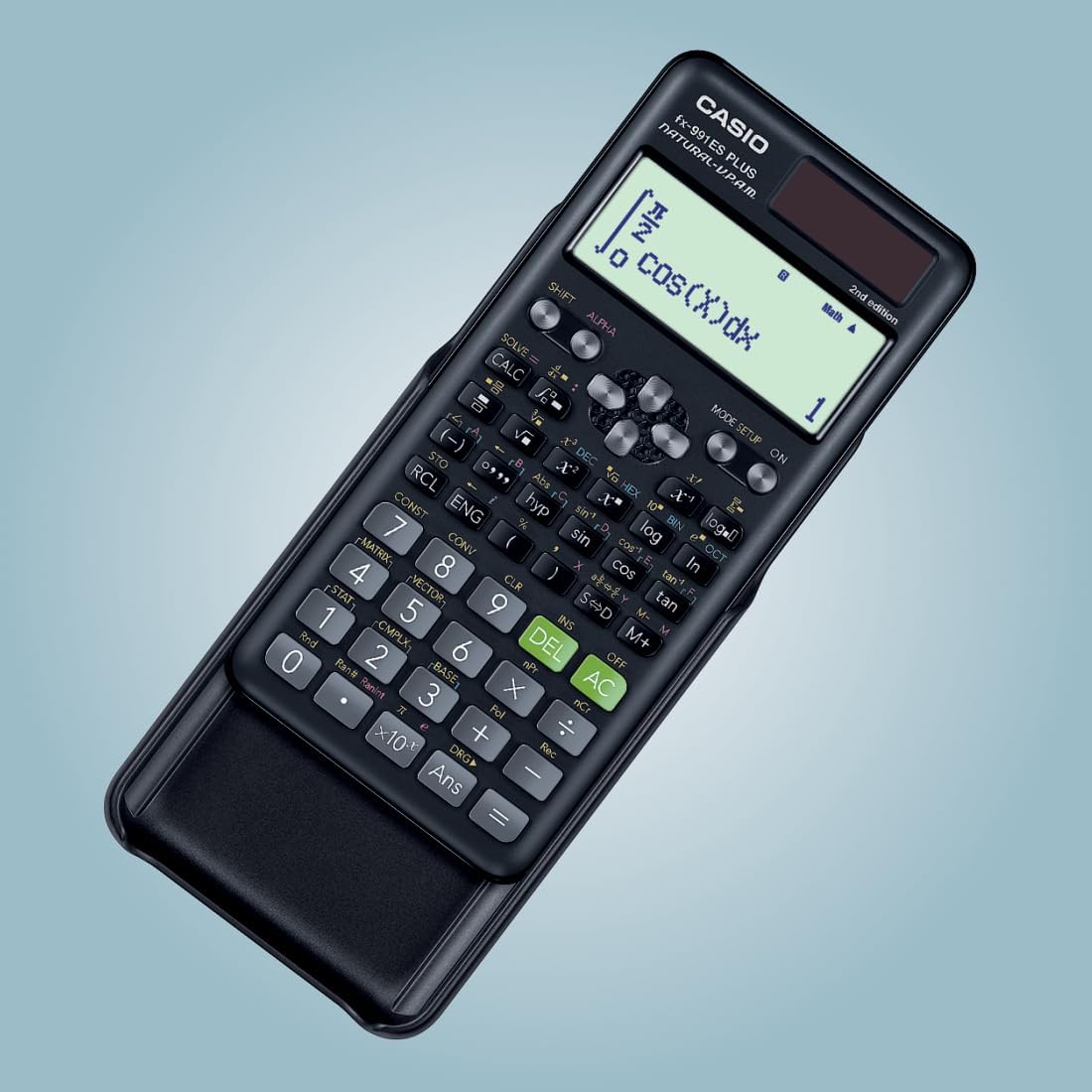
Casio FX-991ES Plus
The professional-grade scientific calculator with 417 functions, natural display, and solar power. Perfect for students and professionals.
View on Amazon