Speed Unit Converter
Convert between different speed and velocity units including km/h, mph, m/s, and more
Conversion Result
Converted to All Units
Common Speed Conversions
Metric to Imperial
- • 1 km/h = 0.621371 mph
- • 1 m/s = 2.23694 mph
- • 1 m/s = 3.28084 ft/s
- • 100 km/h = 62.1371 mph
Imperial to Metric
- • 1 mph = 1.60934 km/h
- • 1 mph = 0.44704 m/s
- • 1 ft/s = 0.3048 m/s
- • 60 mph = 96.5606 km/h
Nautical Conversions
- • 1 knot = 1.852 km/h
- • 1 knot = 1.15078 mph
- • 1 knot = 0.514444 m/s
- • 1 knot = 1.68781 ft/s
Scientific
- • Mach 1 = 343 m/s (at 20°C in air)
- • Mach 1 = 1,235.52 km/h
- • Speed of light = 299,792,458 m/s
- • Speed of light = 1,079,252,848.8 km/h
Understanding Speed Units
Speed is a scalar quantity that measures the rate of change of position over time. Velocity, closely related, is a vector quantity that also includes the direction of motion. The SI unit of speed is the meter per second (m/s), but in everyday life, kilometers per hour (km/h) and miles per hour (mph) are more commonly used. Different fields such as aviation, maritime navigation, and physics use their own preferred speed units.
Metric Units
- Meter per Second (m/s): The SI derived unit of speed. Used in physics, engineering, and scientific research. 1 m/s = 3.6 km/h exactly.
- Kilometer per Hour (km/h): The most common metric unit for everyday speed measurement. Used for road speed limits, vehicle speedometers, and weather reporting in most countries.
- Centimeter per Second (cm/s): 1/100 of m/s. Used in laboratory measurements, fluid dynamics, and geophysics.
- Millimeter per Second (mm/s): 1/1,000 of m/s. Used in precision manufacturing, seismology, and slow-motion analysis.
Imperial / US Customary Units
- Mile per Hour (mph): Used for road speed limits and vehicle speeds in the United States, United Kingdom, and a few other countries. 1 mph = 1.609344 km/h exactly.
- Foot per Second (ft/s): Used in ballistics, engineering, and some sports measurements. 1 ft/s = 0.3048 m/s exactly.
- Inch per Second (in/s): Used in manufacturing, vibration analysis, and tape speed measurement. 1 in/s = 0.0254 m/s exactly.
Nautical & Scientific Units
- Knot (kn): Equal to 1 nautical mile per hour (1.852 km/h exactly). Used in maritime and air navigation worldwide. The name derives from the historical practice of measuring a ship's speed by counting knots in a rope over a set time.
- Mach Number (Ma): The ratio of an object's speed to the speed of sound in the surrounding medium. Mach 1 in dry air at 20°C (68°F) is approximately 343 m/s (1,235.5 km/h). Used in aeronautics and aerospace engineering.
- Speed of Light (c): Exactly 299,792,458 m/s in vacuum. A fundamental physical constant used in relativity, particle physics, and astronomy. Nothing with mass can reach or exceed the speed of light.
Speed in Context: Real-World Examples
Everyday Speeds
- • Walking: ~5 km/h (3.1 mph)
- • Cycling: ~15-25 km/h (9-16 mph)
- • City driving: ~50 km/h (31 mph)
- • Highway driving: ~100-120 km/h (62-75 mph)
- • High-speed train: ~300 km/h (186 mph)
Aviation & Maritime
- • Cargo ship: ~12-16 knots
- • Commercial jet: ~450-575 knots
- • Concorde (retired): Mach 2.04
- • SR-71 Blackbird: Mach 3.3
- • Space Shuttle reentry: Mach 25
Nature & Science
- • Usain Bolt peak: ~44.72 km/h (27.8 mph)
- • Cheetah: ~112 km/h (70 mph)
- • Peregrine falcon dive: ~390 km/h (242 mph)
- • Sound in air (20°C): 343 m/s
- • Earth orbital speed: ~29.78 km/s
Understanding the Mach Number
The Mach number is named after Austrian physicist Ernst Mach. It represents the ratio of an object's speed to the local speed of sound. The speed of sound varies with temperature, altitude, and the medium through which it travels. This converter uses the standard value of Mach 1 = 343 m/s, which corresponds to dry air at 20°C (68°F) at sea level.
Road Speed Limits Around the World
Countries use different units and limits for road speeds. Here are some typical highway speed limits:
References
The conversion factors used in this calculator are based on internationally recognized standards and definitions:
Note: All conversions use exact or internationally accepted conversion factors. The speed of light in vacuum (299,792,458 m/s) is an exact value defined by the SI system. The Mach number used here (343 m/s) corresponds to the speed of sound in dry air at 20°C at sea level; actual Mach values vary with temperature, altitude, and medium. The knot is defined as exactly 1 nautical mile (1,852 meters) per hour.
Related Calculators
Recommended Calculator
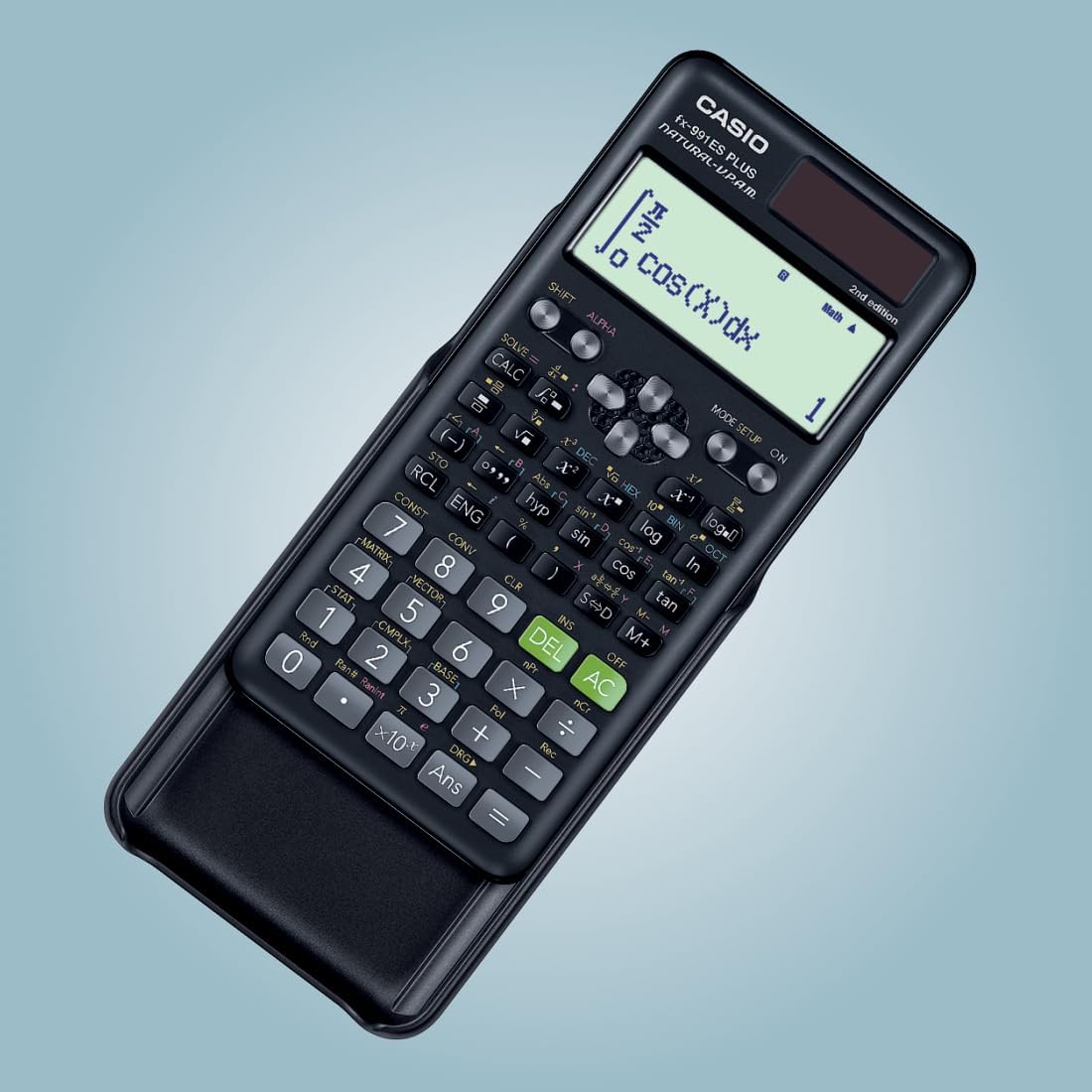
Casio FX-991ES Plus
The professional-grade scientific calculator with 417 functions, natural display, and solar power. Perfect for students and professionals.
View on Amazon