Environmental Impact Score Calculator
Calculate environmental impact scores for products, projects, and activities using lifecycle assessment methods
1. Home Energy
2. Transportation
3. Diet & Consumption
4. Waste & Recycling
5. Water Usage
Your Environmental Impact Score
Scale: 0 (lowest impact) to 100 (highest impact)
Energy
/ 100
Transport
/ 100
Diet
/ 100
Waste
/ 100
Water
/ 100
Estimated Annual CO₂
vs. US Average
vs. Global Average
Impact by Category
Estimated Annual CO₂ Breakdown
| Category | Annual CO₂ (tonnes) | % of Total |
|---|
Top Recommendations to Reduce Your Impact
Understanding Environmental Impact
An environmental impact score aggregates your contributions to climate change, resource depletion, and pollution across major lifestyle categories. The average American has a carbon footprint of approximately 16 tonnes of CO₂ equivalent per year - nearly four times the global average of 4.7 tonnes (Our World in Data, 2022). Understanding where your impact is concentrated enables targeted reductions that matter most.
Key Impact Areas
- Home Energy (25-30%): Electricity generation, heating, and cooling are major CO₂ sources, heavily influenced by regional grid mix
- Transportation (25-30%): Personal vehicles and air travel are the largest individual transport contributors
- Diet & Food (15-20%): Livestock production accounts for 14.5% of global greenhouse gas emissions (FAO). Diet choices have a significant impact
- Goods & Waste (15-20%): Manufacturing, packaging, and disposal of consumer goods contribute to emissions and pollution
- Water (5-10%): Water treatment and distribution are energy-intensive; excess usage strains local ecosystems
Scoring Methodology
Score Scale
- • 0-20: Very Low Impact (excellent)
- • 21-40: Low Impact (good)
- • 41-60: Moderate Impact (average)
- • 61-80: High Impact (above average)
- • 81-100: Very High Impact (significant)
Category Weights
- • Home Energy: 30% of total score
- • Transportation: 30% of total score
- • Diet & Food: 20% of total score
- • Waste & Consumption: 10% of total score
- • Water Usage: 10% of total score
CO₂ Benchmarks
- • US Average: ~16 tonnes CO₂/year
- • EU Average: ~6.8 tonnes CO₂/year
- • Global Average: ~4.7 tonnes CO₂/year
- • Paris Agreement Target: ~2.3 tonnes by 2030
Data Sources
- • EPA GHG Emission Factors Hub
- • IPCC AR6 emission factors
- • FAO livestock emissions data
- • Our World in Data per-capita CO₂
High-Impact Reduction Strategies
Research from the journal Environmental Research Letters identifies the most effective individual actions to reduce your carbon footprint:
- Living car-free saves ~2.4 tonnes CO₂/year (or switch to EV: ~2.0 tonnes savings)
- Avoiding one transatlantic round-trip flight saves ~1.6 tonnes CO₂
- Switching to a plant-based diet saves ~0.8 tonnes CO₂/year
- Switching to renewable electricity saves ~1.5 tonnes CO₂/year
- Improving home insulation and efficiency saves ~0.9 tonnes CO₂/year
- Reducing food waste saves ~0.37 tonnes CO₂/year per household
- Line-drying clothes instead of using a dryer saves ~0.21 tonnes CO₂/year
References
The emission factors, benchmarks, and methodology used in this calculator are based on peer-reviewed research and official data sources:
- U.S. EPA - GHG Emission Factors Hub
- Our World in Data - CO₂ and Greenhouse Gas Emissions
- IPCC Sixth Assessment Report - Mitigation of Climate Change (AR6 WG3)
- Wynes & Nicholas (2017). The Climate Mitigation Gap. Environmental Research Letters, 12(7)
- FAO - Tackling Climate Change Through Livestock
- Poore & Nemecek (2018). Reducing Food's Environmental Impacts. Science, 360(6392)
- U.S. EPA WaterSense - How We Use Water
Note: This calculator provides estimates based on average emission factors from the EPA, IPCC, and peer-reviewed research. Actual environmental impact varies by region, local energy grid mix, specific product choices, and individual circumstances. The CO₂ estimates use simplified models and should be considered approximate. For a comprehensive lifecycle assessment, consult a certified LCA professional.
Recommended Calculator
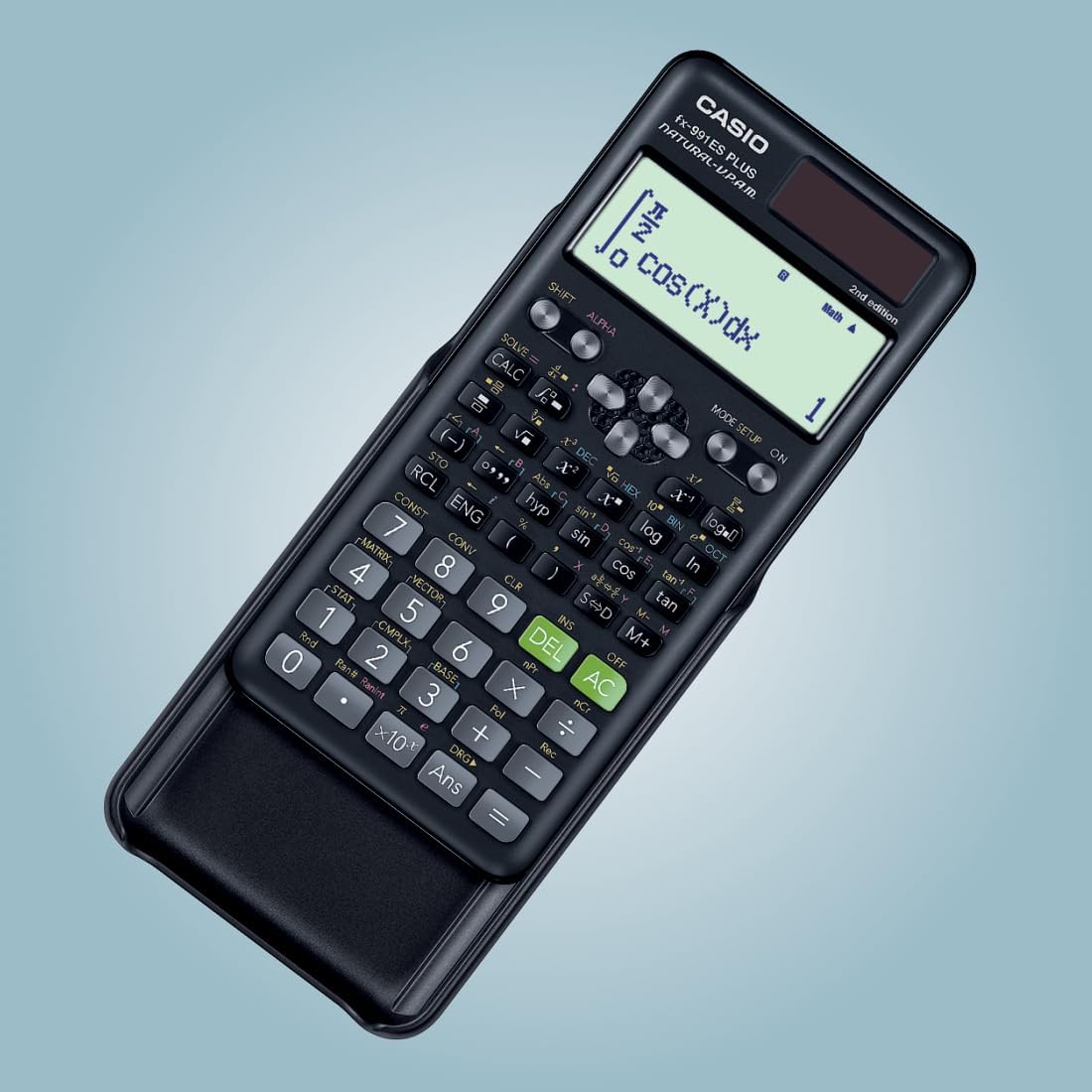
Casio FX-991ES Plus
The professional-grade scientific calculator with 417 functions, natural display, and solar power. Perfect for students and professionals.
View on Amazon