Work-Life Balance Calculator
Evaluate your work-life balance and get recommendations for a healthier lifestyle
Work & Commute
Sleep & Rest
Personal & Leisure Time
Social & Family
Wellbeing Factors
Your Work-Life Balance Score
Work & Commute
Sleep
Personal
Unaccounted
Weekly Time Distribution
Personalized Recommendations
Understanding Work-Life Balance
Work-life balance refers to the equilibrium between professional responsibilities and personal activities. Research from the World Health Organization and the American Psychological Association shows that chronic overwork is linked to increased risk of cardiovascular disease, mental health disorders, and reduced overall life satisfaction. A healthy balance supports long-term productivity, stronger relationships, and better physical and mental health.
How the Score Is Calculated
The balance score (0-100) is derived from multiple weighted factors:
Work load (30%) — compares your weekly work + commute hours against the recommended 40-45 hour range.
Sleep quality (25%) — evaluates sleep duration (recommended 7-9 hours) combined with your self-reported sleep quality.
Physical activity (15%) — measures exercise against the WHO-recommended 2.5-5 hours per week.
Social connection (15%) — assesses time spent with family and friends.
Leisure & recovery (10%) — evaluates hobby and personal time.
Stress adjustment (5%) — adjusts based on your self-reported stress level.
Key Facts About Work-Life Balance
- The average American works 38.7 hours per week (BLS, 2024)
- Working over 55 hours/week increases stroke risk by 35% (WHO/ILO study)
- Only 23% of U.S. workers feel they have a good work-life balance (APA survey)
- Adults who sleep less than 7 hours per night have higher rates of obesity, heart disease, and depression (CDC)
- 150-300 minutes of moderate exercise per week significantly reduces mortality risk (WHO guidelines)
- Strong social connections are associated with a 50% increased chance of longevity (Holt-Lunstad meta-analysis)
Recommended Weekly Time Allocation
Work & Obligations
- • Work: 35-45 hours
- • Commute: 2-5 hours
- • Household chores: 5-10 hours
- • Errands & admin: 2-4 hours
Health & Recovery
- • Sleep: 49-63 hours (7-9h/night)
- • Exercise: 2.5-5 hours
- • Meal preparation & eating: 7-10 hours
- • Personal hygiene & self-care: 5-7 hours
Personal Fulfillment
- • Family & social time: 10-15 hours
- • Hobbies & leisure: 5-10 hours
- • Learning & personal growth: 2-5 hours
- • Relaxation & downtime: 5-10 hours
Warning Signs of Poor Work-Life Balance
Physical Warning Signs
Chronic fatigue, frequent headaches, changes in appetite or sleep patterns, weakened immune system (getting sick often), muscle tension or pain, and elevated blood pressure. The body often signals imbalance before the mind acknowledges it.
Emotional Warning Signs
Persistent irritability, feeling overwhelmed or anxious, loss of motivation, emotional detachment from relationships, cynicism about work, and difficulty concentrating. These may indicate early stages of burnout, which the WHO classifies as an occupational phenomenon.
Behavioral Warning Signs
Neglecting personal relationships, skipping meals or exercise, relying on caffeine or alcohol to cope, working during vacations or weekends consistently, withdrawing from social activities, and difficulty "switching off" from work mode.
References
The scoring model and recommendations in this calculator are informed by research from the following sources:
- WHO/ILO - Long Working Hours and Health Risks (2021)
- American Psychological Association - Work-Life Balance
- U.S. Bureau of Labor Statistics - American Time Use Survey
- CDC - How Much Sleep Do I Need?
- WHO - Physical Activity Guidelines
- Holt-Lunstad et al. - Social Relationships and Mortality Risk (PLoS Medicine)
Note: This calculator provides a general assessment based on the information you enter. It is not a clinical diagnostic tool. Work-life balance is highly individual and depends on personal values, life stage, and circumstances. If you are experiencing persistent stress, burnout, or mental health concerns, please consult a qualified healthcare professional. The recommendations provided are based on general wellness research and may not apply to every situation.
Recommended Calculator
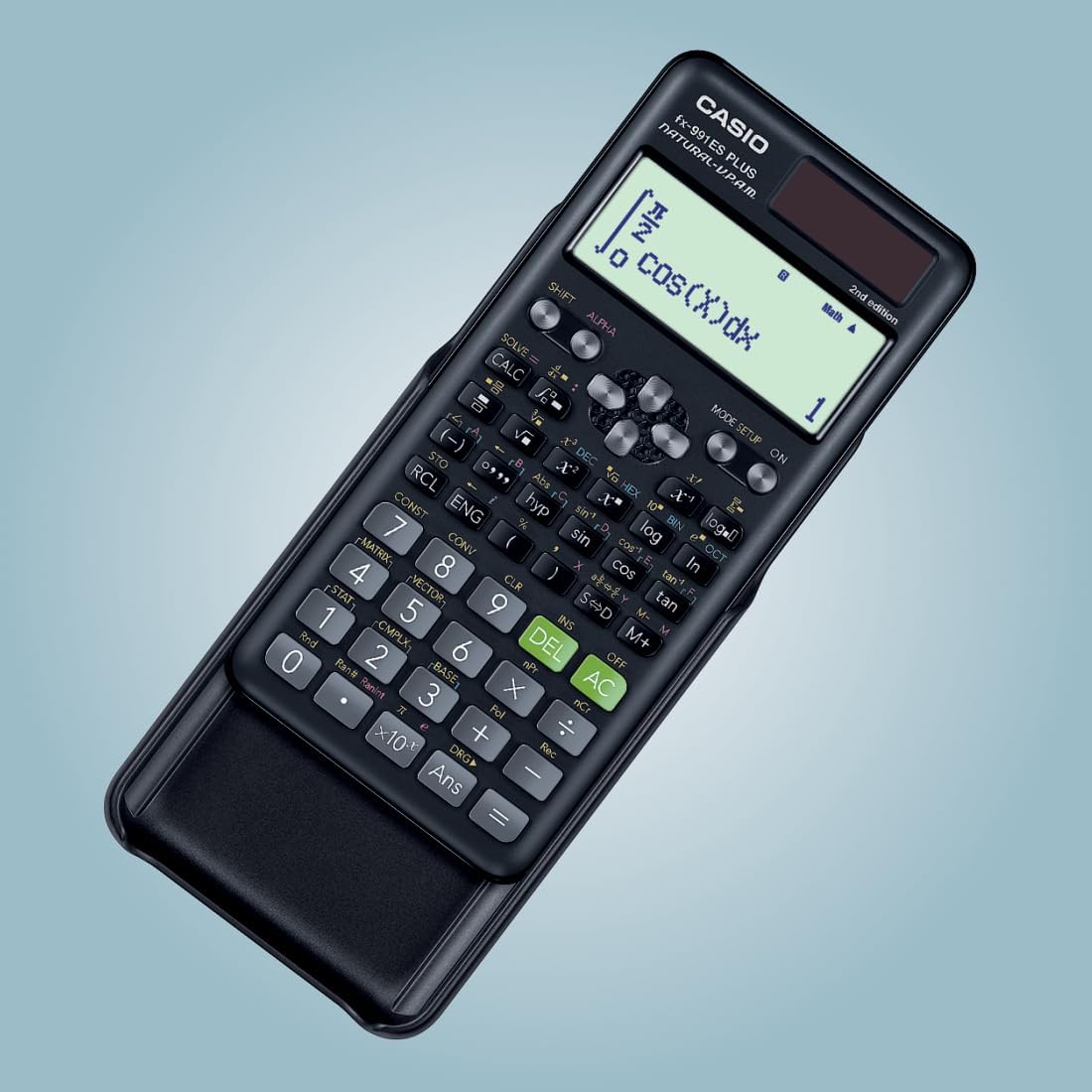
Casio FX-991ES Plus
The professional-grade scientific calculator with 417 functions, natural display, and solar power. Perfect for students and professionals.
View on Amazon