Calorie Deficit Calculator
Calculate your daily calorie deficit for weight loss goals based on activity level and target weight
BMR
cal/day
TDEE
cal/day
Daily Target
cal/day
Deficit Breakdown
Daily Calorie Targets by Goal
Maintain Weight
cal/day
Mild Weight Loss
0.5 lb/week
Moderate Weight Loss
1 lb/week
Understanding Calorie Deficit
A calorie deficit occurs when you consume fewer calories than your body burns. Your body compensates by using stored energy (primarily body fat) to meet its needs. One pound of body fat stores approximately 3,500 calories, so a daily deficit of 500 calories results in roughly 1 pound of weight loss per week. This calculator uses the Mifflin–St Jeor equation, widely regarded as the most accurate formula for estimating resting metabolic rate in healthy individuals.
Key Terms
- BMR (Basal Metabolic Rate) – The number of calories your body needs at complete rest to maintain basic functions such as breathing, circulation, and cell production.
- TDEE (Total Daily Energy Expenditure) – Your total calorie burn per day, calculated by multiplying BMR by an activity factor that accounts for exercise and daily movement.
- Calorie Deficit – The difference between your TDEE and your actual calorie intake. A consistent deficit leads to weight loss over time.
The Mifflin–St Jeor Equations
Men: BMR = (10 × weight in kg) + (6.25 × height in cm) − (5 × age) + 5
Women: BMR = (10 × weight in kg) + (6.25 × height in cm) − (5 × age) − 161
Activity Level Multipliers
Your TDEE is calculated by multiplying your BMR by an activity factor. Choose the level that best describes your typical week:
Sedentary
Factor: 1.2
Desk job with little or no exercise. Mostly sitting throughout the day.
Lightly Active
Factor: 1.375
Light exercise or sports 1–3 days per week. Walking, light jogging.
Moderately Active
Factor: 1.55
Moderate exercise or sports 3–5 days per week. Regular gym sessions.
Very Active
Factor: 1.725
Hard exercise or sports 6–7 days per week. Intense training sessions.
Extra Active
Factor: 1.9
Very hard daily exercise plus a physically demanding job or two-a-day training.
Safe Weight Loss Guidelines
Sustainable weight loss requires a moderate, consistent approach. Most health organizations recommend losing no more than 1–2 pounds (0.45–0.9 kg) per week. Rapid weight loss can lead to muscle loss, nutritional deficiencies, gallstones, and metabolic slowdown.
- Minimum intake: Women should generally not consume fewer than 1,200 calories per day, and men not fewer than 1,500 calories per day, without medical supervision.
- Protein intake: Aim for 0.7–1 g of protein per pound of body weight to preserve lean muscle mass during a deficit.
- Gradual approach: A deficit of 500–750 calories per day (1–1.5 lb/week) is considered safe and sustainable for most people.
- Monitor progress: Weigh yourself at the same time each day and track the weekly average to account for normal daily fluctuations.
- Consult a professional: If you have underlying health conditions, are pregnant or breastfeeding, or plan to lose more than 2 lb/week, seek guidance from a registered dietitian or physician.
Suggested Macronutrient Split During a Deficit
While total calories drive weight loss, macronutrient composition affects body composition, energy levels, and satiety. A common approach for preserving muscle during a calorie deficit is:
Protein
30%
Preserves muscle, increases satiety, has the highest thermic effect of food.
Carbohydrates
40%
Primary energy source for exercise and brain function. Prioritize whole grains, fruits, and vegetables.
Fat
30%
Essential for hormone production, nutrient absorption, and cell membrane health. Focus on unsaturated sources.
References
The formulas and guidelines used in this calculator are based on peer-reviewed research and recommendations from leading health organizations:
- Mifflin, M.D. et al. (1990) – A new predictive equation for resting energy expenditure in healthy individuals. The American Journal of Clinical Nutrition, 51(2), 241–247.
- National Heart, Lung, and Blood Institute (NHLBI) – Guide to Healthy Weight Loss
- World Health Organization (WHO) – Healthy Diet Fact Sheet
- Mayo Clinic – Counting Calories: Get Back to Weight-Loss Basics
- Frankenfield, D. et al. (2005) – Comparison of predictive equations for resting metabolic rate. Journal of the American Dietetic Association, 105(5), 775–789.
Note: This calculator provides estimates based on the Mifflin–St Jeor equation and general activity multipliers. Individual results may vary due to genetics, body composition, metabolic adaptation, and other factors. These estimates are for informational purposes only and should not replace advice from a qualified healthcare professional or registered dietitian. Always consult a doctor before starting any weight-loss program.
Recommended Calculator
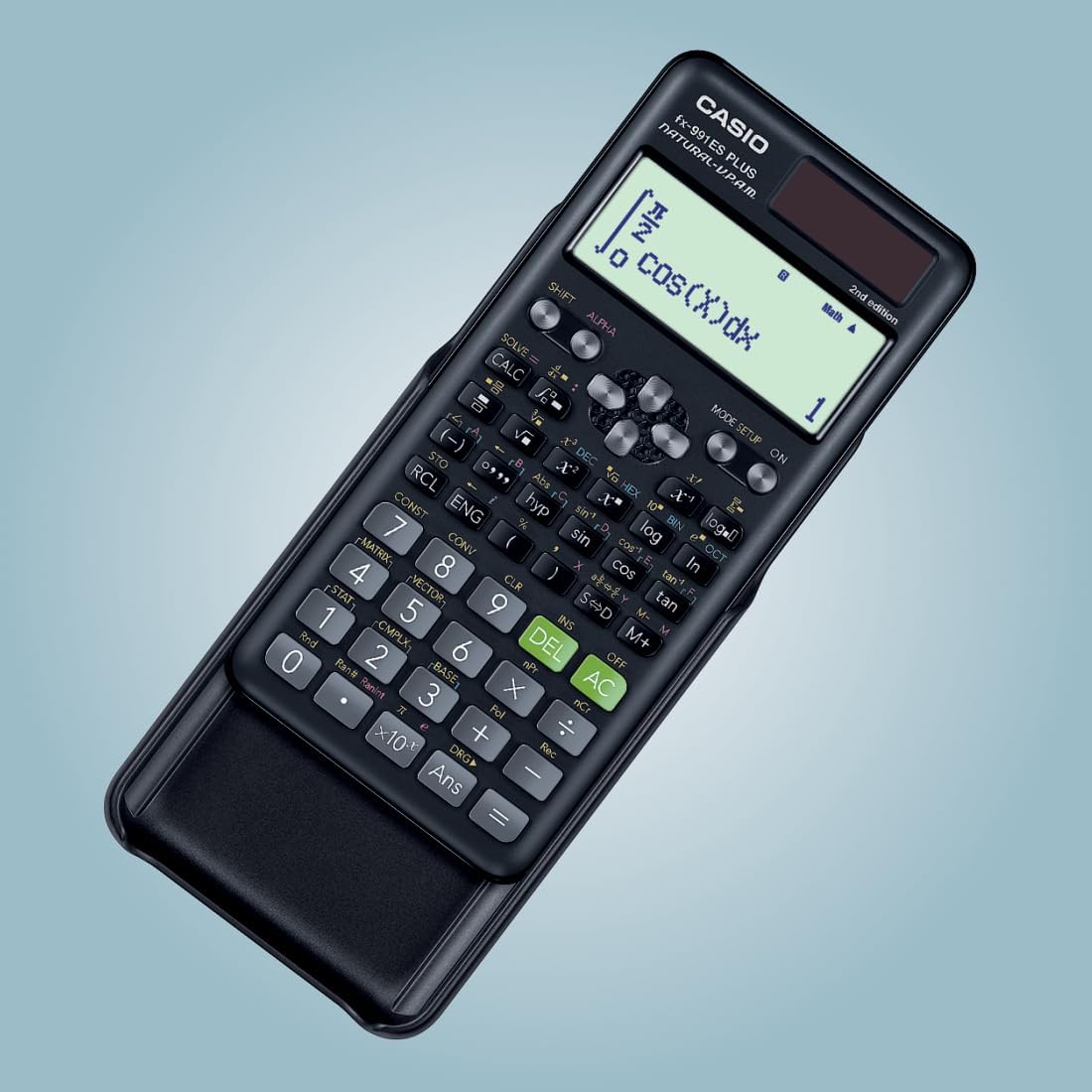
Casio FX-991ES Plus
The professional-grade scientific calculator with 417 functions, natural display, and solar power. Perfect for students and professionals.
View on Amazon