Portion Size Calculator
Calculate appropriate portion sizes based on nutritional guidelines, age, and dietary goals
Estimated Daily Calories
cal/day
Calories per Meal
Total Daily Servings
across all food groups
Daily Servings by Food Group
Per-Meal Portion Guide
Divide your daily servings across your meals. Below is a suggested breakdown:
Visual Portion Size Cues
Use everyday objects to estimate portion sizes without a scale:
Baseball = 1 cup
Cereal, salad, cooked pasta
Deck of Cards = 3 oz meat
Chicken breast, fish fillet, steak
Thumb Tip = 1 tsp
Butter, oil, mayonnaise
Tennis Ball = ½ cup
Cooked rice, fruit, ice cream
Cupped Hand = ½ cup
Nuts, granola, dried fruit
4 Dice = 1 oz cheese
Cheddar, Swiss, mozzarella
Understanding Portion Sizes vs. Serving Sizes
A serving size is a standardized amount of food used on nutrition labels and dietary guidelines (for example, 1 slice of bread or ½ cup of cooked rice). A portion is the amount of food you actually choose to eat at one time, which may be more or less than a serving. Studies show that average portion sizes in restaurants and homes have grown significantly over the past 30 years, contributing to increased calorie intake.
This calculator uses the USDA Dietary Guidelines for Americans and the MyPlate framework to recommend daily servings for each food group. Recommendations are tailored by age, gender, activity level, and dietary goal.
Food Group Serving Sizes
Understanding what counts as one serving in each food group is essential for accurate portion control:
Grains
1 ounce-equivalent =
- • 1 slice of bread
- • ½ cup cooked rice or pasta
- • 1 cup ready-to-eat cereal
- • 1 small tortilla (6″)
Vegetables
1 cup-equivalent =
- • 1 cup raw leafy vegetables
- • ½ cup cooked vegetables
- • ½ cup vegetable juice
- • 1 medium carrot or tomato
Fruits
1 cup-equivalent =
- • 1 medium apple, banana, or orange
- • ½ cup dried fruit
- • 1 cup 100% fruit juice
- • 1 cup fresh berries or melon
Dairy
1 cup-equivalent =
- • 1 cup milk or yogurt
- • 1½ oz natural cheese
- • 2 oz processed cheese
- • 1 cup calcium-fortified soy milk
Protein
1 ounce-equivalent =
- • 1 oz cooked meat, poultry, or fish
- • 1 egg
- • ¼ cup cooked beans or lentils
- • 1 tbsp peanut butter
Oils & Fats
1 teaspoon-equivalent =
- • 1 tsp vegetable oil or butter
- • 1 tbsp salad dressing
- • ⅓ oz nuts (about 3 almonds)
- • 1½ tsp mayonnaise
Portion Control Tips
- Use smaller plates: Research shows that eating from a 9–10″ plate instead of a 12″ plate can reduce intake by up to 22% without feeling deprived (Wansink & van Ittersum, 2006).
- Pre-portion snacks: Instead of eating from the package, measure out a single serving into a bowl. This prevents mindless overeating.
- Fill half your plate with vegetables: The MyPlate model recommends vegetables and fruits should occupy at least half of your plate at every meal.
- Read nutrition labels: Pay attention to the serving size listed on packaging. Many products contain 2–3 servings per container, not one.
- Eat slowly and mindfully: It takes approximately 20 minutes for satiety signals to reach the brain. Eating slowly reduces overall intake.
- Use measuring tools at first: Measuring cups, spoons, and a food scale help calibrate your eye for accurate portions. After a few weeks, estimation becomes much more accurate.
- Be cautious with beverages: Liquid calories from juice, soda, and alcohol add up quickly and do not trigger the same fullness response as solid food.
References
The portion recommendations and guidelines used in this calculator are based on established nutritional research and government guidelines:
- U.S. Department of Agriculture & HHS – Dietary Guidelines for Americans, 2020–2025
- USDA MyPlate – Food Group Recommendations and Serving Sizes
- National Heart, Lung, and Blood Institute – Portion Distortion
- Wansink, B. & van Ittersum, K. (2006) – The Visual Illusions of Food. Journal of Marketing Research, 43(3).
- Young, L.R. & Nestle, M. (2002) – The Contribution of Expanding Portion Sizes to the US Obesity Epidemic. American Journal of Public Health, 92(2), 246–249.
Note: This calculator provides general portion size recommendations based on USDA Dietary Guidelines and MyPlate. Individual nutritional needs vary based on metabolism, health conditions, medications, and body composition. These estimates are for informational purposes only and should not replace personalized advice from a registered dietitian or healthcare professional.
Recommended Calculator
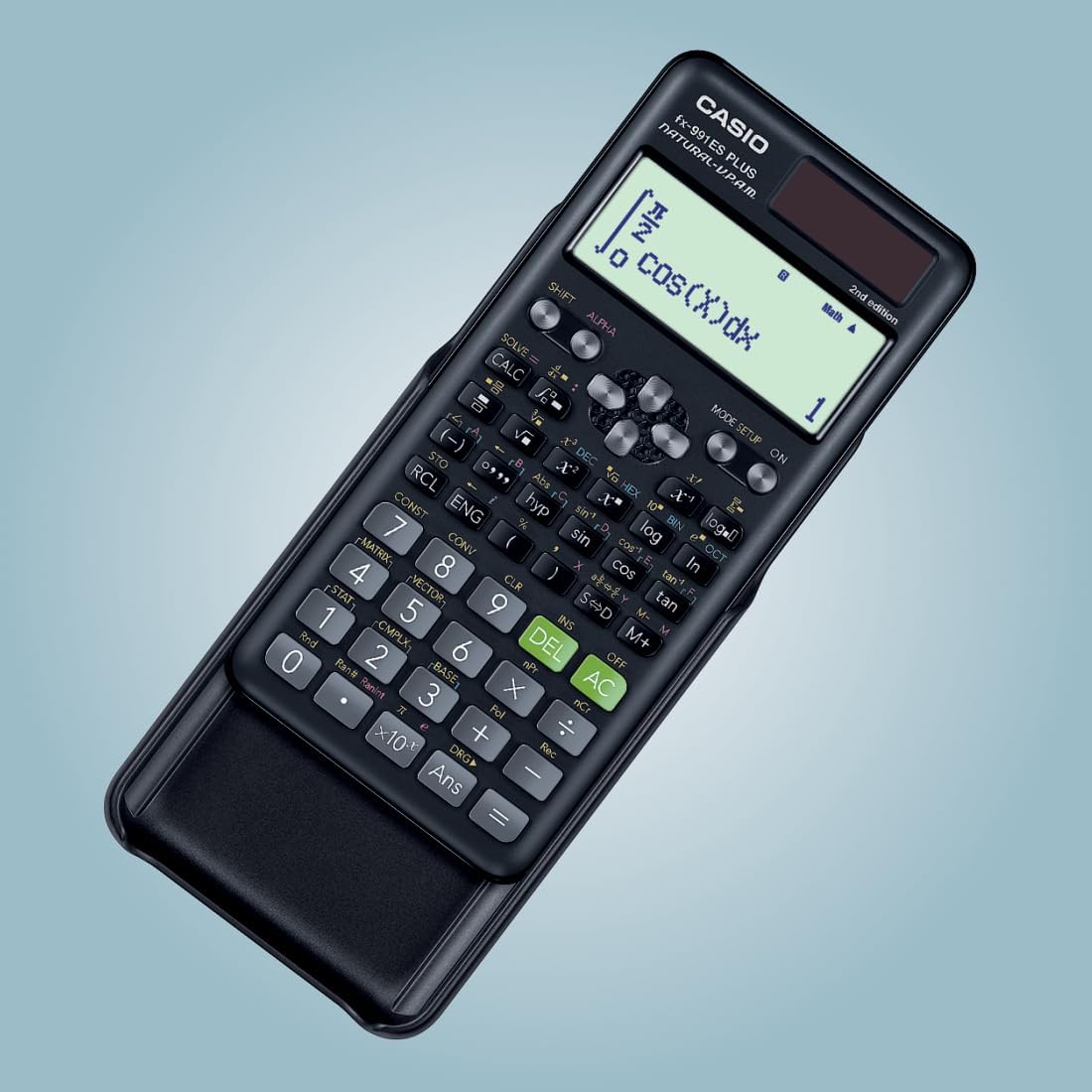
Casio FX-991ES Plus
The professional-grade scientific calculator with 417 functions, natural display, and solar power. Perfect for students and professionals.
View on Amazon