Recipe Cost Calculator
Calculate the total cost of a recipe and cost per serving based on ingredient prices
Ingredients
Compare with Store-Bought (optional)
Total Recipe Cost
Cost Per Serving
Ingredients
Ingredient Cost Breakdown
| Ingredient | Qty Used | Unit Price | Cost | % of Total |
|---|
Cost Distribution
Homemade vs. Store-Bought
Homemade / serving
Store-Bought / serving
You Save
Scale Recipe
Understanding Recipe Costing
Recipe costing is the process of determining the exact cost to produce a dish by calculating the cost of every ingredient used. It is essential for both home cooks who want to stay on budget and food-service professionals who need to set profitable menu prices. According to the National Restaurant Association, food costs typically account for 28-35% of a restaurant's revenue, making accurate recipe costing critical for profitability.
Key Food Costing Formulas
- Ingredient Cost = (Quantity Used / Package Size) × Package Price
- Total Recipe Cost = Sum of all ingredient costs
- Cost Per Serving = Total Recipe Cost / Number of Servings
- Food Cost Percentage = (Cost of Ingredients / Menu Price) × 100
- Suggested Menu Price = Cost Per Serving / Target Food Cost % (e.g., 0.30)
Tips for Reducing Recipe Costs
Smart Shopping
- Buy in bulk when possible
- Use seasonal produce for freshness and savings
- Compare unit prices across brands
- Shop sales and use coupons strategically
Ingredient Substitutions
- Swap expensive proteins for budget alternatives
- Use dried beans instead of canned
- Replace fresh herbs with dried (use 1/3 the amount)
- Choose store-brand staples over name brands
Waste Reduction
- Plan meals around ingredients you already have
- Store leftovers properly and repurpose them
- Freeze excess ingredients before they expire
- Use vegetable scraps for homemade stock
Average Food Cost Benchmarks
Understanding typical food costs helps you evaluate whether a recipe is budget-friendly. The USDA publishes monthly food cost data for different household sizes and budget levels:
| Meal Type | Budget (per serving) | Moderate (per serving) | Liberal (per serving) |
|---|---|---|---|
| Breakfast | $1.00 – $1.50 | $1.50 – $2.50 | $2.50 – $4.00 |
| Lunch | $1.50 – $2.50 | $2.50 – $4.00 | $4.00 – $6.00 |
| Dinner | $2.00 – $3.50 | $3.50 – $5.50 | $5.50 – $8.00 |
| Snacks | $0.50 – $1.00 | $1.00 – $2.00 | $2.00 – $3.00 |
Based on USDA Official Food Plans cost estimates, adjusted for typical per-serving breakdown.
Food Cost Percentage for Restaurants
If you're pricing a menu, food cost percentage is the most important metric. Industry standards from the National Restaurant Association recommend targeting these ranges:
25-30% — Ideal Range
Most full-service restaurants aim for this range. Leaves room for labor, overhead, and profit.
30-35% — Acceptable
Common for casual dining and smaller operations. Sustainable if labor costs are lower.
35%+ — High
May squeeze profit margins. Common in fine dining with premium ingredients but offset by higher menu prices.
References
The food costing data and benchmarks used in this calculator are based on industry research and government data:
Note: This calculator provides estimates based on the ingredient prices you enter. Actual costs may vary depending on your location, store, season, and brands. Prices fluctuate over time due to inflation and supply chain factors. For restaurant and food-service use, always account for additional costs such as labor, utilities, packaging, and waste when setting menu prices.
Recommended Calculator
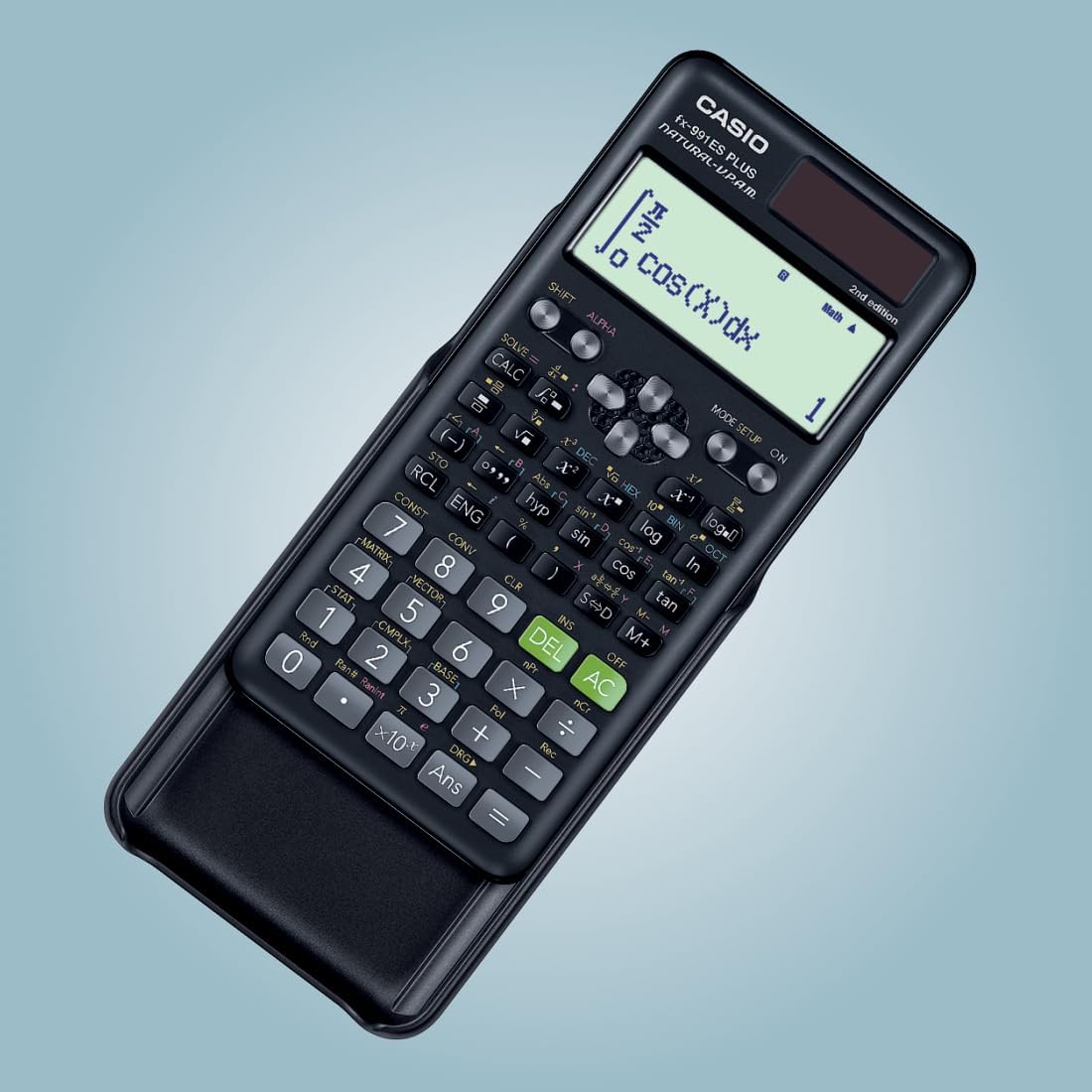
Casio FX-991ES Plus
The professional-grade scientific calculator with 417 functions, natural display, and solar power. Perfect for students and professionals.
View on Amazon