Body Fat Percentage Calculator
Calculate your body fat percentage using various methods including skinfold measurements, body circumference, and BMI-based estimates
Body Fat
Category
Fat Mass / Lean Mass
Body Fat Classification
Understanding Body Fat Percentage
Body fat percentage is the proportion of fat tissue in your body relative to your total body weight. It is a more accurate indicator of health and fitness than weight or BMI alone, as it differentiates between fat mass and lean mass (muscle, bone, organs, and water). Two people of the same weight can have very different body compositions and health profiles.
Body Fat Categories
| Category | Women | Men |
|---|---|---|
| Essential Fat | 10-13% | 2-5% |
| Athletes | 14-20% | 6-13% |
| Fitness | 21-24% | 14-17% |
| Average | 25-31% | 18-24% |
| Obese | 32%+ | 25%+ |
Calculation Methods Explained
U.S. Navy Method (Circumference-Based)
Developed by Hodgdon and Beckett at the Naval Health Research Center, this method uses body circumference measurements to estimate body fat percentage. It is the standard method used by the U.S. military for body composition assessment and has been validated against hydrostatic weighing with a standard error of estimate of approximately 3-4%.
Men: BF% = 86.010 × log10(waist − neck) − 70.041 × log10(height) + 36.76
Women: BF% = 163.205 × log10(waist + hip − neck) − 97.684 × log10(height) − 78.387
BMI-Based Estimate (Deurenberg Formula)
This method estimates body fat from BMI using the Deurenberg formula. While less accurate for individuals (especially athletes or the elderly), it requires only height and weight and provides a reasonable population-level estimate. The standard error is around 4-5%.
BMI = weight (kg) / height (m)2
BF% = (1.20 × BMI) + (0.23 × age) − (10.8 × sex) − 5.4
(sex = 1 for male, 0 for female)
How to Take Accurate Measurements
Waist
- • Measure horizontally at the navel (belly button) level
- • Stand upright and relaxed, don't suck in your stomach
- • The tape should be snug but not compressing the skin
- • Take the measurement at the end of a normal exhalation
Neck
- • Measure just below the larynx (Adam's apple)
- • Look straight ahead with shoulders relaxed
- • The tape should slope slightly downward at the front
- • Don't flare the neck muscles during measurement
Hip (Women Only)
- • Measure horizontally at the widest point of the buttocks
- • Stand with feet together
- • Keep the tape parallel to the floor
- • View from the side to confirm the widest circumference
General Tips
- • Use a flexible, non-elastic measuring tape
- • Take each measurement 2-3 times and use the average
- • Measure on bare skin or over very light clothing
- • Measure at the same time of day for consistent tracking
References
The formulas and body fat classification data used in this calculator are based on peer-reviewed research and established guidelines:
- Hodgdon, J.A. & Beckett, M.B. (1984). "Prediction of percent body fat for U.S. Navy men and women from body circumferences and height." Naval Health Research Center, Report No. 84-29. DTIC ADA143890
- Deurenberg, P., Weststrate, J.A. & Seidell, J.C. (1991). "Body mass index as a measure of body fatness: age- and sex-specific prediction formulas." British Journal of Nutrition, 65(2), 105-114. DOI: 10.1079/BJN19910073
- American Council on Exercise (ACE). "Body Fat Percentage Norms." ACE Body Fat Percentage Calculator
- Gallagher, D. et al. (2000). "Healthy percentage body fat ranges: an approach for developing guidelines based on body mass index." American Journal of Clinical Nutrition, 72(3), 694-701. DOI: 10.1093/ajcn/72.3.694
- U.S. Department of Defense. "DoD Instruction 1308.3 - DoD Physical Fitness/Body Composition Program." DoD Instruction 1308.3
Note: This calculator provides estimates based on validated formulas but should not replace professional body composition analysis. Methods like DEXA scans, hydrostatic weighing, and air displacement plethysmography (Bod Pod) offer greater accuracy. Individual results may vary due to factors such as ethnicity, age, fitness level, and hydration status. The U.S. Navy method has a typical error margin of 3-4%, and the BMI-based method 4-5%. Consult a healthcare professional for medical assessments.
Recommended Calculator
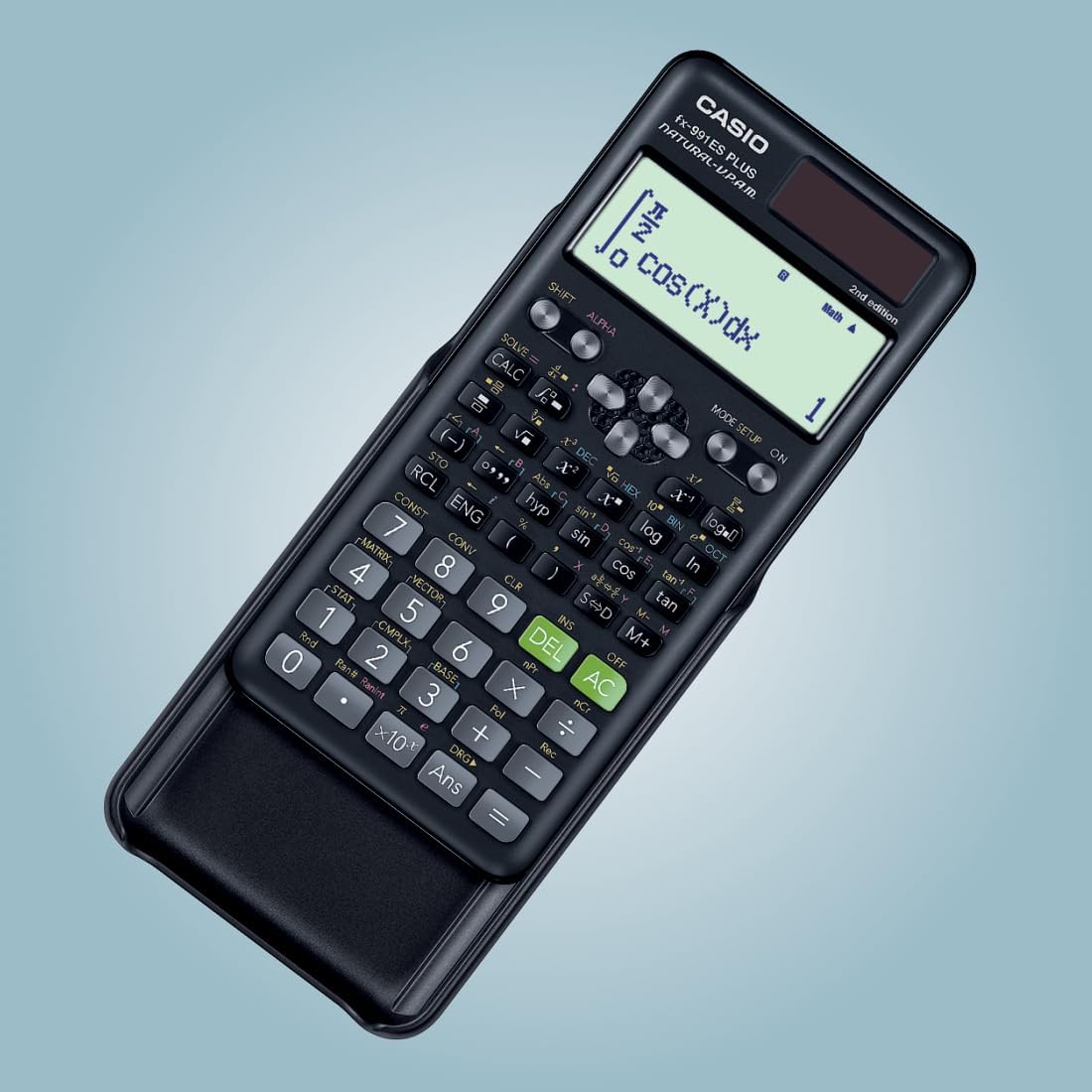
Casio FX-991ES Plus
The professional-grade scientific calculator with 417 functions, natural display, and solar power. Perfect for students and professionals.
View on Amazon