Calories Burned Calculator
Estimate calories burned during exercises and physical activities based on your body weight, activity type, and duration using MET (Metabolic Equivalent of Task) values.
Total Calories Burned
Calories per Minute
MET Value Used
Activity Summary
Calorie Equivalents
Common Activities and MET Values
MET (Metabolic Equivalent of Task) values represent the energy cost of an activity relative to resting. A MET of 1.0 represents the energy expenditure at rest. Higher MET values indicate more intense activities.
| Activity | MET Value | Intensity |
|---|---|---|
| Walking (3.5 mph) | 4.3 | Moderate |
| Running (6 mph / 10 min/mile) | 9.8 | Vigorous |
| Cycling (moderate, 12-14 mph) | 8.0 | Vigorous |
| Swimming (moderate effort) | 7.0 | Vigorous |
| Weight Training (general) | 6.0 | Moderate |
| Yoga (Hatha) | 2.5 | Light |
| Jump Rope (moderate) | 11.8 | Vigorous |
| Gardening | 3.8 | Moderate |
How the Calories Burned Calculator Works
This calculator uses the MET (Metabolic Equivalent of Task) method to estimate calorie expenditure. The formula is based on the widely-accepted equation from exercise physiology:
Calories Burned = MET × Weight (kg) × Duration (hours)
- MET (Metabolic Equivalent of Task): A standardized measure of exercise intensity. 1 MET equals approximately 1 kcal/kg/hour, which is roughly the energy cost of sitting quietly.
- Body Weight: Heavier individuals burn more calories performing the same activity because more energy is required to move a larger body mass.
- Duration: Longer exercise sessions result in more total calories burned, though intensity plays a greater role per unit of time.
Understanding Exercise Intensity Levels
Light Intensity
MET: 1.5 - 3.0
- • Slow walking
- • Stretching / Yoga
- • Light housework
- • Cooking
Moderate Intensity
MET: 3.0 - 6.0
- • Brisk walking
- • Dancing
- • Gardening
- • Weight training
Vigorous Intensity
MET: 6.0+
- • Running / Jogging
- • Cycling (fast)
- • Swimming laps
- • Jump rope
Tips for Maximizing Calorie Burn
- Increase intensity: Higher-intensity activities burn more calories per minute than lower-intensity ones.
- Add interval training: Alternating between high and low intensity (HIIT) can boost total calorie expenditure and improve cardiovascular fitness.
- Include strength training: Building muscle mass increases your resting metabolic rate, meaning you burn more calories even at rest.
- Stay consistent: Regular exercise over time has a greater impact than occasional intense workouts.
- Move throughout the day: Non-exercise activity thermogenesis (NEAT) from walking, standing, and daily tasks contributes significantly to total daily energy expenditure.
References
The MET values and calorie calculations used in this calculator are based on peer-reviewed scientific research:
- Ainsworth, B.E., et al. (2011). 2011 Compendium of Physical Activities: A Second Update of Codes and MET Values. Medicine & Science in Sports & Exercise, 43(8), 1575-1581. PubMed
- Jetté, M., Sidney, K., & Blümchen, G. (1990). Metabolic equivalents (METS) in exercise testing, exercise prescription, and evaluation of functional capacity. Clinical Cardiology, 13(8), 555-565. PubMed
- Byrne, N.M., et al. (2005). Metabolic equivalent: one size does not fit all. Journal of Applied Physiology, 99(3), 1112-1119. PubMed
- The Compendium of Physical Activities Tracking Guide
Related Calculators
This calculator provides estimates based on average MET values from the Compendium of Physical Activities. Actual calorie expenditure varies depending on individual factors such as age, sex, fitness level, body composition, genetics, and environmental conditions. These estimates should not be used as the sole basis for dietary or exercise decisions. Consult a healthcare professional or certified fitness trainer for personalized exercise and nutrition guidance.
Recommended Calculator
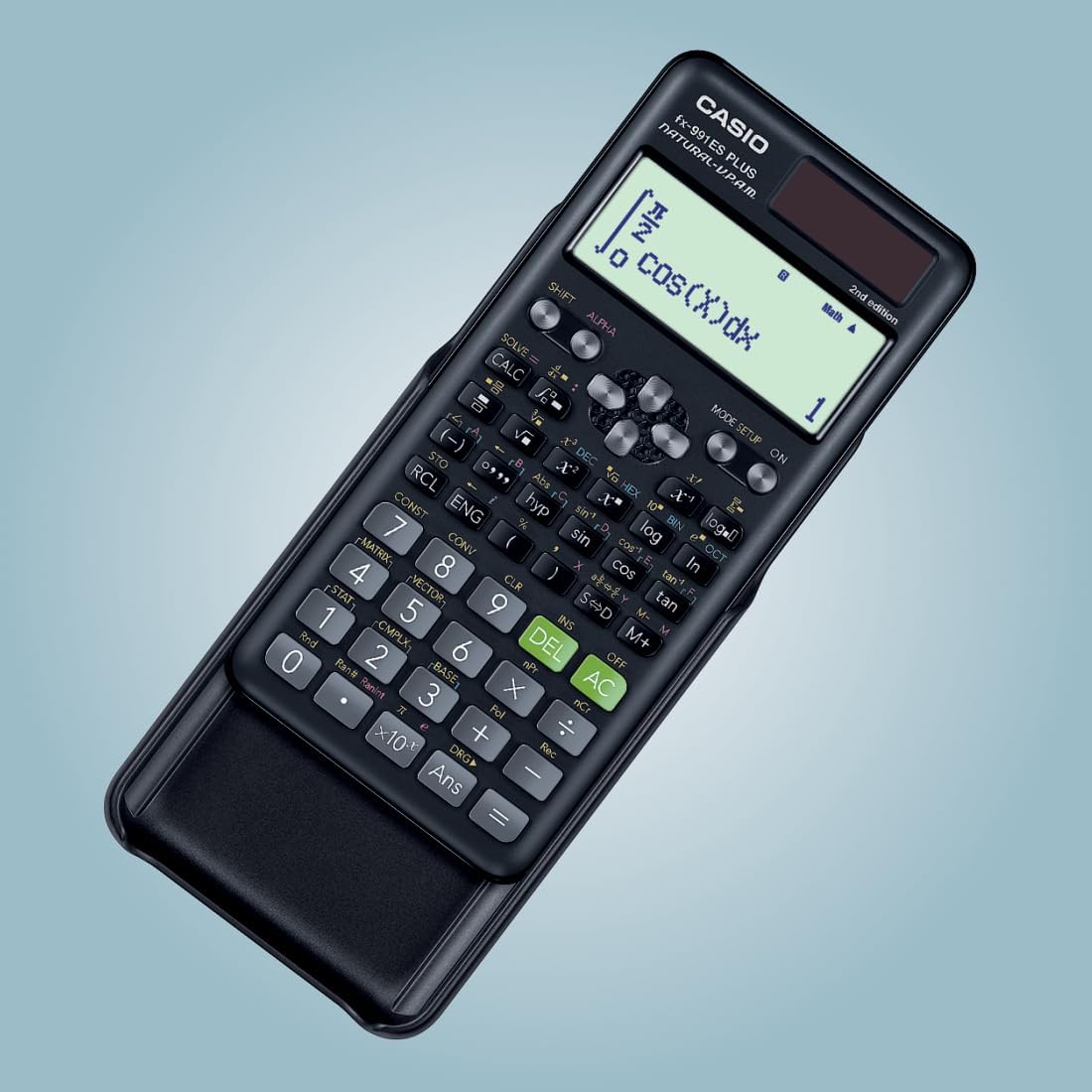
Casio FX-991ES Plus
The professional-grade scientific calculator with 417 functions, natural display, and solar power. Perfect for students and professionals.
View on Amazon