Dosage by Weight Calculator
Calculate medication dosage based on body weight for accurate and safe drug administration
Single Dose
Total Daily Dose
Weight Used
Dose Rate
Frequency
Important: Always verify calculated doses against the prescribing information, check for maximum dose limits, and consider patient-specific factors (age, renal/hepatic function, drug interactions) before administering any medication. This tool is for reference only.
Understanding Weight-Based Dosing
Weight-based dosing (mg/kg) is a cornerstone of pharmacotherapy, particularly in pediatric medicine. Because drug distribution, metabolism, and clearance are influenced by body size, adjusting the dose to a patient's weight helps ensure therapeutic effectiveness while minimizing the risk of toxicity. The basic formula is:
Dose = Patient Weight (kg) × Dose per kg (mg/kg)
When Is Weight-Based Dosing Used?
- Pediatric patients: Children require doses adjusted for their lower body weight and differing pharmacokinetics
- Chemotherapy agents: Precise dosing is critical to balance efficacy and toxicity
- Anticoagulants: Heparin and low-molecular-weight heparins are often dosed per kilogram
- Anesthesia: Many anesthetic agents are titrated based on body weight
- Emergency medications: Epinephrine, atropine, and other critical-care drugs use weight-based protocols
Common Weight-Based Medication Doses
| Medication | Typical Dose | Frequency | Max Daily Dose |
|---|---|---|---|
| Ibuprofen | 5–10 mg/kg/dose | Every 6–8 h | 40 mg/kg/day (max 2400 mg) |
| Acetaminophen | 10–15 mg/kg/dose | Every 4–6 h | 75 mg/kg/day (max 4000 mg) |
| Amoxicillin | 25–50 mg/kg/day | Divided every 8–12 h | 3000 mg/day |
| Amoxicillin (high-dose) | 80–90 mg/kg/day | Divided every 12 h | 3000 mg/day |
| Azithromycin | 10 mg/kg Day 1, then 5 mg/kg | Once daily | 500 mg/day |
| Cephalexin | 25–50 mg/kg/day | Divided every 6–8 h | 4000 mg/day |
| Prednisolone | 1–2 mg/kg/day | Once or twice daily | 60 mg/day |
| Diphenhydramine | 1–1.5 mg/kg/dose | Every 6–8 h | 5 mg/kg/day (max 300 mg) |
Key Considerations for Safe Dosing
Patient Factors
- • Age and developmental stage
- • Renal and hepatic function
- • Pregnancy or breastfeeding
- • Allergies and contraindications
- • Actual vs. ideal body weight
Medication Factors
- • Therapeutic index (safety margin)
- • Drug interactions
- • Route of administration
- • Formulation and bioavailability
- • Maximum single and daily doses
Special Populations
- • Neonates (immature organ function)
- • Obese patients (use adjusted weight)
- • Elderly (reduced clearance)
- • Renal impairment (dose adjustment)
- • Hepatic impairment (dose reduction)
Which Body Weight Should Be Used?
Different clinical scenarios call for different weight measures. Using the wrong weight type can lead to significant over- or under-dosing, particularly in obese patients.
- Actual Body Weight (ABW): Used for most standard medications and when the patient is within a normal weight range
- Ideal Body Weight (IBW): Used for hydrophilic (water-soluble) drugs in obese patients, as these drugs do not distribute well into adipose tissue
- Adjusted Body Weight (AdjBW): Used for some lipophilic drugs in obese patients — typically calculated as IBW + 0.4 × (ABW – IBW)
- Lean Body Weight (LBW): Preferred for some anesthetic and neuromuscular-blocking agents
References
The dosing information used in this calculator is based on established medical and pharmacological references:
- World Health Organization — WHO Model Formulary for Children (2010)
- American Academy of Pediatrics — Red Book: Report of the Committee on Infectious Diseases
- U.S. Food & Drug Administration — Drug Safety and Availability
- British National Formulary (BNF) — National Institute for Health and Care Excellence
- Sullivan, J.E. & Farrar, H.C. (2011). Fever and Antipyretic Use in Children. Pediatrics, 127(3), 580–587.
Disclaimer: This calculator is intended for educational and informational purposes only. It does not replace the clinical judgment of a qualified healthcare professional, pharmacist, or prescribing physician. Always verify doses against official prescribing information, check for maximum dose caps, and account for patient-specific factors before administering any medication. In case of a suspected overdose, contact your local Poison Control Center (1-800-222-1222 in the US) or emergency services immediately.
Recommended Calculator
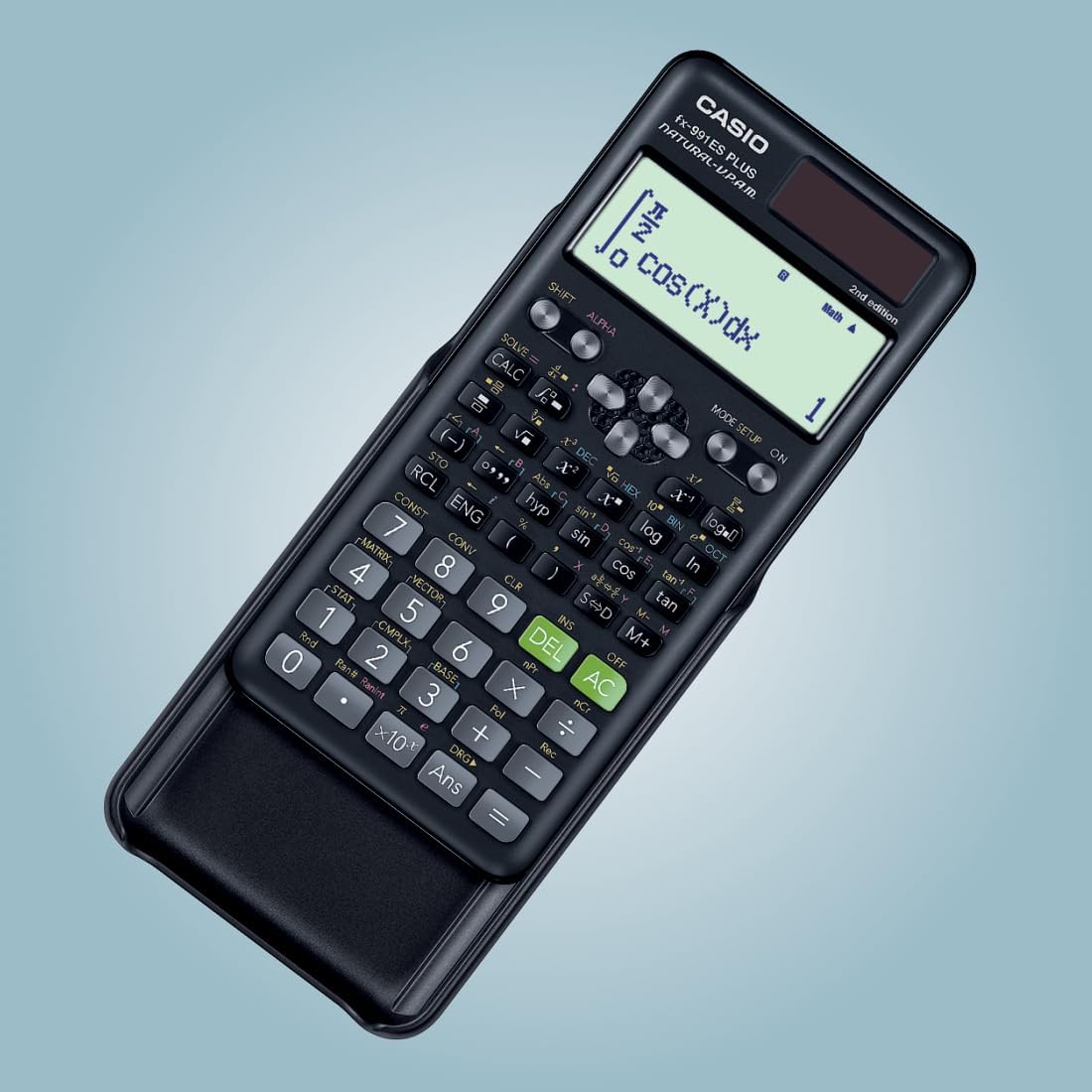
Casio FX-991ES Plus
The professional-grade scientific calculator with 417 functions, natural display, and solar power. Perfect for students and professionals.
View on Amazon