Mean Arterial Pressure Calculator
Calculate Mean Arterial Pressure (MAP) from systolic and diastolic blood pressure readings for cardiovascular assessment
The top number in a blood pressure reading (normal: ~120 mmHg)
The bottom number in a blood pressure reading (normal: ~80 mmHg)
Mean Arterial Pressure
mmHg
Pulse Pressure
mmHg
Classification
MAP Range Assessment
Blood Pressure Classification
What Is Mean Arterial Pressure (MAP)?
Mean Arterial Pressure (MAP) is the average blood pressure in your arteries during one cardiac cycle. Unlike a simple average of systolic and diastolic pressures, MAP accounts for the fact that the heart spends about two-thirds of the cardiac cycle in diastole (relaxation) and one-third in systole (contraction). This makes MAP a weighted average that more accurately reflects the perfusion pressure delivered to vital organs.
Clinicians use MAP as an indicator of whether there is adequate blood flow to sustain organ function. A MAP of at least 60 mmHg is generally considered necessary to perfuse the coronary arteries, kidneys, and brain. Values between 70 and 100 mmHg are considered normal for most adults.
The MAP Formula
MAP = DBP + 1/3 (SBP - DBP)
Or equivalently: MAP = (SBP + 2 × DBP) / 3
- SBP (Systolic Blood Pressure): The pressure during heart contraction
- DBP (Diastolic Blood Pressure): The pressure during heart relaxation
- Pulse Pressure (PP): The difference between SBP and DBP (PP = SBP - DBP)
MAP Clinical Ranges
Below 60 mmHg — Critically Low
- Insufficient organ perfusion
- Risk of organ damage and shock
- May indicate sepsis, hemorrhage, or cardiac failure
- Requires immediate medical attention
60–70 mmHg — Low
- Borderline perfusion pressure
- May cause dizziness or lightheadedness
- Monitoring recommended
- Consult healthcare provider if symptomatic
70–100 mmHg — Normal
- Adequate organ perfusion
- Healthy cardiovascular function
- Target range in most clinical settings
- Optimal for brain, heart, and kidney function
Above 100 mmHg — Elevated/High
- Increased cardiovascular strain
- Higher risk of stroke and heart disease
- May indicate hypertension
- Lifestyle changes or medication may be needed
Why MAP Matters in Clinical Practice
MAP is a critical hemodynamic parameter used in hospitals, intensive care units, and emergency medicine. While systolic and diastolic pressures provide a snapshot of peak and resting pressures, MAP better represents the sustained pressure that perfuses tissues and organs throughout the cardiac cycle.
Key Clinical Applications:
- Organ perfusion monitoring: A MAP below 60 mmHg may lead to ischemia in vital organs including the brain, heart, and kidneys
- Sepsis management: Surviving Sepsis Campaign guidelines recommend maintaining MAP ≥ 65 mmHg in septic patients
- Traumatic brain injury: Cerebral perfusion pressure (CPP) is calculated using MAP, making it essential in neurological critical care
- Anesthesia: MAP is monitored to ensure adequate perfusion during surgical procedures
- Hypertension assessment: Elevated MAP is a risk factor for cardiovascular events independent of systolic or diastolic values alone
Blood Pressure Categories (AHA Guidelines)
| Category | Systolic (mmHg) | Diastolic (mmHg) |
|---|---|---|
| Normal | Less than 120 | Less than 80 |
| Elevated | 120–129 | Less than 80 |
| Stage 1 Hypertension | 130–139 | 80–89 |
| Stage 2 Hypertension | 140 or higher | 90 or higher |
| Hypertensive Crisis | Higher than 180 | Higher than 120 |
Source: American Heart Association (AHA), 2017 ACC/AHA Hypertension Guidelines
References
The formulas and clinical data used in this calculator are based on established medical literature and guidelines:
- American Heart Association — Understanding Blood Pressure Readings
- DeMers D, Wachs D. “Physiology, Mean Arterial Pressure.” StatPearls [Internet], 2023
- Sesso HD, et al. “Systolic and diastolic blood pressure, pulse pressure, and mean arterial pressure as predictors of cardiovascular disease risk in men.” Hypertension, 2000
- Magder S. “The meaning of blood pressure.” Critical Care, 2018
- 2017 ACC/AHA Guideline for the Prevention, Detection, Evaluation, and Management of High Blood Pressure in Adults
Note: This calculator is for educational and informational purposes only. It is not a substitute for professional medical advice, diagnosis, or treatment. Blood pressure readings can vary based on many factors including stress, activity, body position, and time of day. Always consult a qualified healthcare provider for medical concerns about your blood pressure or cardiovascular health.
Recommended Calculator
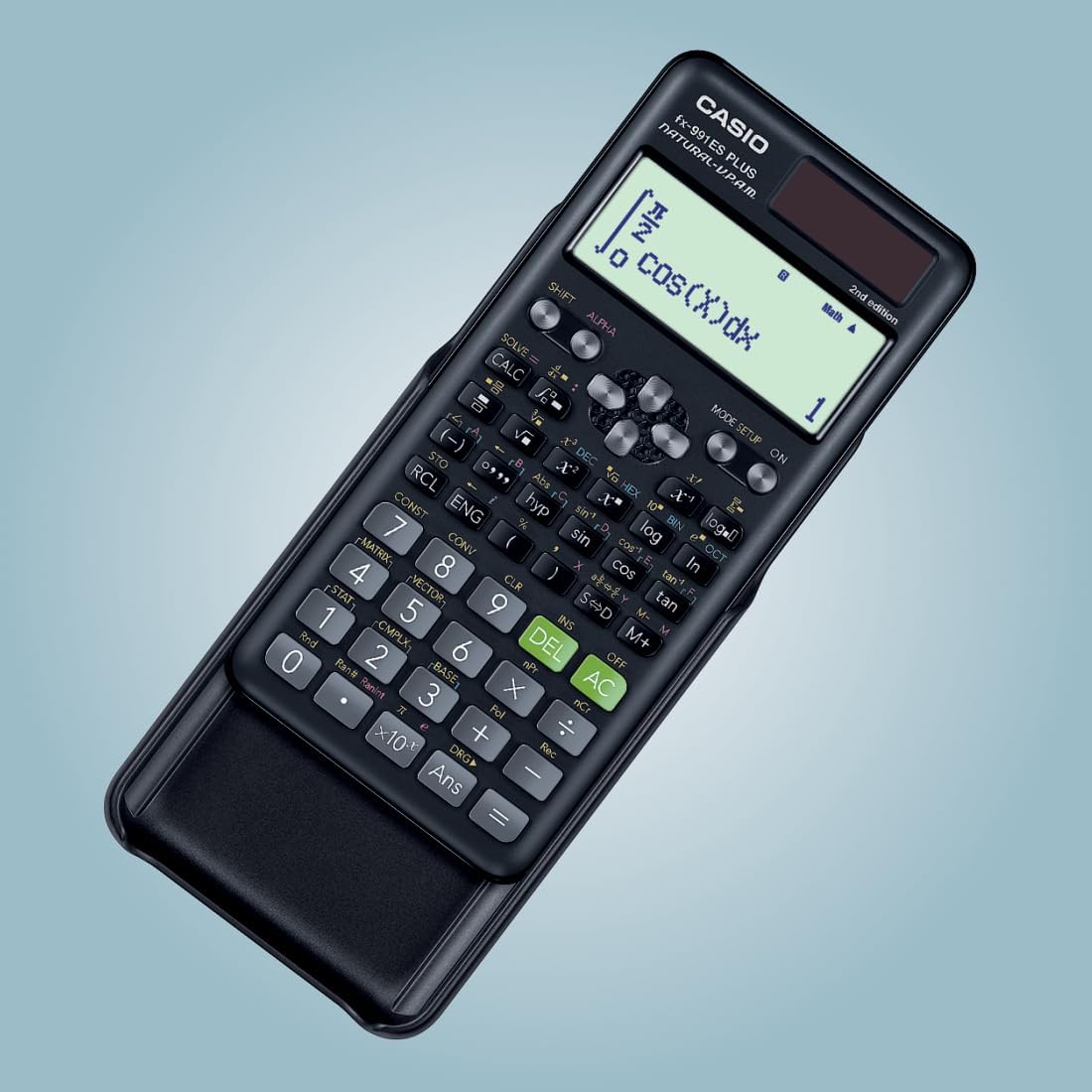
Casio FX-991ES Plus
The professional-grade scientific calculator with 417 functions, natural display, and solar power. Perfect for students and professionals.
View on Amazon