Menstrual Cycle Calculator
Predict your next period, ovulation date, and fertile window based on your cycle history. Enter your last period start date and average cycle length to get started.
Typical range: 21–35 days. The average is 28 days.
Typical range: 2–7 days. The average is 5 days.
Current Cycle Status
Next Period
Estimated Ovulation
Fertile Window Start
Fertile Window End
Upcoming 6 Cycles
| Cycle | Period Start | Period End | Fertile Window | Ovulation |
|---|
The Four Phases of the Menstrual Cycle
The menstrual cycle is regulated by a complex interplay of hormones including estrogen, progesterone, follicle-stimulating hormone (FSH), and luteinizing hormone (LH). Understanding each phase helps you recognize normal patterns and identify potential irregularities.
1. Menstruation (Days 1–5)
The cycle begins with shedding of the uterine lining. Estrogen and progesterone levels are at their lowest. Bleeding typically lasts 2–7 days, with an average blood loss of 30–40 mL per cycle. Prostaglandins trigger uterine contractions, which may cause cramps.
2. Follicular Phase (Days 1–13)
Overlapping with menstruation, FSH stimulates ovarian follicle growth. Usually one dominant follicle develops, producing rising estrogen levels. The uterine lining (endometrium) begins to thicken. This phase varies most in length among individuals and is what primarily determines cycle length differences.
3. Ovulation (Day ~14)
A surge in LH triggers the release of a mature egg from the dominant follicle. The egg travels through the fallopian tube and is viable for fertilization for approximately 12–24 hours. Ovulation typically occurs about 14 days before the next period. Some individuals experience mild pain (mittelschmerz) or light spotting.
4. Luteal Phase (Days ~15–28)
The ruptured follicle transforms into the corpus luteum, producing progesterone to maintain the uterine lining. If fertilization does not occur, the corpus luteum degrades, progesterone drops, and menstruation follows. The luteal phase is relatively constant at about 14 days (±2 days) across most individuals.
Understanding the Fertile Window
The fertile window is the period during each menstrual cycle when conception is possible. According to research published in the BMJ by Wilcox et al. (2000), approximately 80% of pregnancies occur when intercourse takes place within the 5 days leading up to and including the day of ovulation.
- Sperm viability: Sperm can survive in the reproductive tract for up to 5 days under favorable conditions.
- Egg viability: A released egg is viable for approximately 12–24 hours after ovulation.
- Peak fertility: The 2 days before ovulation and the day of ovulation itself represent the highest probability of conception.
- Variability: A study of over 600,000 cycles (Bull et al., 2019) found that only about 13% of cycles are exactly 28 days. Ovulation day varies even in regular cycles, so predictions are estimates.
Normal Cycle Variations & When to See a Doctor
Normal Variations
- Cycle length of 21–35 days in adults
- Period duration of 2–7 days
- Slight variation (up to 7–9 days) in cycle length from month to month
- Lighter or heavier flow on different days
- Mild cramping or breast tenderness before a period
- Cycles may be irregular for the first few years after menarche and during perimenopause
When to Consult a Doctor
- Cycles shorter than 21 days or longer than 35 days
- Periods lasting more than 7 days
- Very heavy bleeding (soaking a pad/tampon every 1–2 hours)
- Bleeding between periods or after intercourse
- Missed periods (when not pregnant)
- Severe pain that interferes with daily activities
- Sudden changes in cycle regularity
Factors That Can Affect Your Menstrual Cycle
Lifestyle
- • Significant weight loss or gain
- • Excessive exercise or overtraining
- • High stress levels
- • Sleep disruptions or shift work
- • Travel across time zones
Medical
- • Polycystic ovary syndrome (PCOS)
- • Thyroid disorders
- • Endometriosis
- • Uterine fibroids or polyps
- • Primary ovarian insufficiency
Other Factors
- • Hormonal contraceptives
- • Age and life stage (puberty, perimenopause)
- • Breastfeeding
- • Certain medications
- • Eating disorders
References
The cycle calculations and health information in this calculator are based on peer-reviewed scientific literature and clinical guidelines:
- Reed, B.G. & Carr, B.R. (2018). The Normal Menstrual Cycle and the Control of Ovulation. In: Feingold, K.R. et al. (Eds.), Endotext. MDText.com, Inc. NCBI Bookshelf
- Wilcox, A.J., Dunson, D., & Baird, D.D. (2000). The timing of the "fertile window" in the menstrual cycle: day specific estimates from a prospective study. BMJ, 321(7271), 1259–1262. PubMed
- Bull, J.R., et al. (2019). Real-world menstrual cycle characteristics of more than 600,000 menstrual cycles. npj Digital Medicine, 2, 83. PubMed
- American College of Obstetricians and Gynecologists (ACOG). Menstruation in Girls and Adolescents: Using the Menstrual Cycle as a Vital Sign. Committee Opinion No. 651. ACOG
- Fehring, R.J., Schneider, M., & Raviele, K. (2006). Variability in the phases of the menstrual cycle. Journal of Obstetric, Gynecologic & Neonatal Nursing, 35(3), 376–384. PubMed
Related Calculators
Important Medical Disclaimer: This calculator provides estimates based on average menstrual cycle patterns and should not be used as a method of contraception or fertility treatment. Actual ovulation timing can vary significantly from cycle to cycle, even in individuals with regular periods. This tool is for educational and informational purposes only. It is not a substitute for professional medical advice, diagnosis, or treatment. Always consult with a qualified healthcare provider for reproductive health concerns, family planning, or if you experience irregular periods.
Recommended Calculator
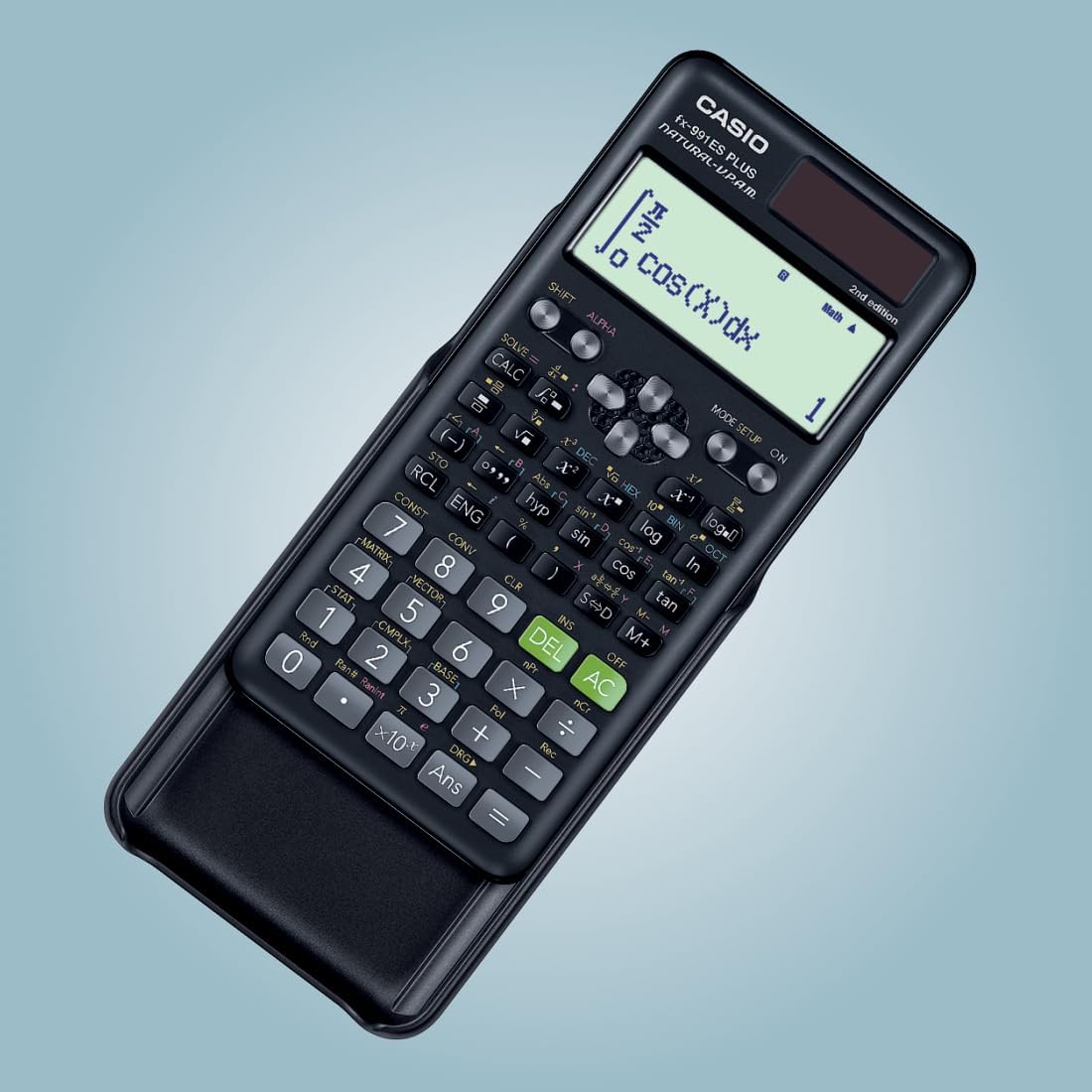
Casio FX-991ES Plus
The professional-grade scientific calculator with 417 functions, natural display, and solar power. Perfect for students and professionals.
View on Amazon