Sleep Cycle Calculator
Find the best times to fall asleep or wake up by aligning with your natural 90-minute sleep cycles. Waking at the end of a complete cycle — during light sleep — helps you feel more alert and refreshed.
The average sleep onset latency for healthy adults is about 14 minutes (Ohayon et al., 2004).
Sleep Cycle Breakdown (recommended option)
The Stages of Sleep
Each sleep cycle lasts approximately 90 minutes and consists of four distinct stages. The composition shifts across the night: deeper sleep dominates the first half, while REM sleep becomes longer in later cycles.
Stage N1 – Light Sleep
Duration: ~5% of total sleep
The transition between wakefulness and sleep. Muscle activity slows, and you may experience hypnic jerks (sudden muscle twitches). Brain waves shift from alpha to theta rhythm. You are easily awakened during this stage.
Stage N2 – Light Sleep
Duration: ~45% of total sleep
Heart rate and body temperature decrease. The brain produces sleep spindles and K-complexes — brief bursts of neural activity important for memory consolidation and sensory gating. This is the most abundant sleep stage.
Stage N3 – Deep Sleep (Slow-Wave)
Duration: ~25% of total sleep (more in first half of the night)
The most restorative stage. The brain produces slow delta waves. Tissue growth and repair occurs, growth hormone is released, and the immune system strengthens. Waking from this stage causes sleep inertia — grogginess and disorientation.
REM Sleep
Duration: ~25% of total sleep (longer in later cycles)
Rapid Eye Movement sleep is when most vivid dreaming occurs. Brain activity resembles wakefulness, but voluntary muscles are temporarily paralyzed (atonia). REM sleep is critical for emotional regulation, creativity, and procedural memory consolidation.
Recommended Sleep Duration by Age
The National Sleep Foundation published expert consensus guidelines (Hirshkowitz et al., 2015) for recommended sleep duration across the lifespan. Individual needs may vary.
| Age Group | Age | Recommended | May Be Appropriate |
|---|---|---|---|
| Newborn | 0–3 months | 14–17 h | 11–19 h |
| Infant | 4–11 months | 12–15 h | 10–18 h |
| Toddler | 1–2 years | 11–14 h | 9–16 h |
| Preschool | 3–5 years | 10–13 h | 8–14 h |
| School-age | 6–13 years | 9–11 h | 7–12 h |
| Teenager | 14–17 years | 8–10 h | 7–11 h |
| Young Adult | 18–25 years | 7–9 h | 6–11 h |
| Adult | 26–64 years | 7–9 h | 6–10 h |
| Older Adult | 65+ years | 7–8 h | 5–9 h |
Why Aligning with Sleep Cycles Matters
Waking up in the middle of deep sleep (Stage N3) causes sleep inertia — that groggy, disoriented feeling that can last 15–30 minutes or longer. By timing your alarm to coincide with the end of a complete 90-minute cycle, you are more likely to wake during light sleep, which results in:
- Greater alertness upon waking
- Better mood and cognitive performance in the morning
- Reduced reliance on the snooze button
- More consistent energy levels throughout the day
Important: The 90-minute figure is an average. Individual cycle lengths range from about 80 to 120 minutes and can vary within the same night. This calculator provides helpful estimates, but listening to your body remains the best guide.
Sleep Hygiene Tips
Good sleep hygiene habits, supported by guidelines from the American Academy of Sleep Medicine, can significantly improve sleep quality:
Habits to Adopt
- Keep a consistent sleep and wake schedule, even on weekends
- Create a cool, dark, and quiet bedroom environment (60–67°F / 15–19°C is optimal)
- Establish a relaxing pre-sleep routine (reading, gentle stretching, warm bath)
- Get regular physical activity, ideally finishing vigorous exercise at least 3–4 hours before bed
- Expose yourself to bright light in the morning to anchor your circadian rhythm
Habits to Avoid
- Avoid caffeine at least 6 hours before bed (its half-life is ~5–6 hours)
- Limit screen time 30–60 minutes before sleep (blue light suppresses melatonin)
- Avoid large meals or heavy snacks close to bedtime
- Limit alcohol — while it may help you fall asleep, it fragments later sleep cycles and suppresses REM
- Avoid long or late-afternoon naps (keep naps under 20–30 minutes before 3 PM)
Signs You May Not Be Getting Enough Quality Sleep
Physical Signs
- • Excessive daytime sleepiness
- • Frequent yawning
- • Increased appetite and sugar cravings
- • Weakened immune function (frequent illness)
- • Dark circles or puffy eyes
Cognitive Signs
- • Difficulty concentrating or making decisions
- • Memory problems
- • Slower reaction times
- • Reduced creativity and problem-solving
- • Microsleeps (brief involuntary episodes)
Emotional Signs
- • Irritability and mood swings
- • Increased anxiety
- • Feelings of depression or apathy
- • Reduced stress tolerance
- • Lower motivation
References
The sleep science and recommendations in this calculator are based on peer-reviewed research and clinical guidelines:
- Hirshkowitz, M., et al. (2015). National Sleep Foundation’s sleep time duration recommendations: methodology and results summary. Sleep Health, 1(1), 40–43. PubMed
- Ohayon, M.M., et al. (2004). Meta-analysis of quantitative sleep parameters from childhood to old age in healthy individuals: developing normative sleep values across the human lifespan. Sleep, 27(7), 1255–1273. PubMed
- Carskadon, M.A. & Dement, W.C. (2011). Normal Human Sleep: An Overview. In: Kryger, M.H., Roth, T., Dement, W.C. (Eds.), Principles and Practice of Sleep Medicine (5th ed.), pp. 16–26. Elsevier Saunders.
- Tassi, P. & Muzet, A. (2000). Sleep inertia. Sleep Medicine Reviews, 4(4), 341–353. PubMed
- Watson, N.F., et al. (2015). Recommended amount of sleep for a healthy adult: a joint consensus statement of the American Academy of Sleep Medicine and Sleep Research Society. Journal of Clinical Sleep Medicine, 11(6), 591–592. PubMed
Related Calculators
This calculator provides estimates based on average 90-minute sleep cycle durations. Individual sleep cycles can range from approximately 80 to 120 minutes and may vary from night to night. Results are intended for general wellness information only and should not replace advice from a qualified healthcare provider. If you experience persistent sleep difficulties, excessive daytime sleepiness, or symptoms of a sleep disorder, please consult a sleep specialist.
Recommended Calculator
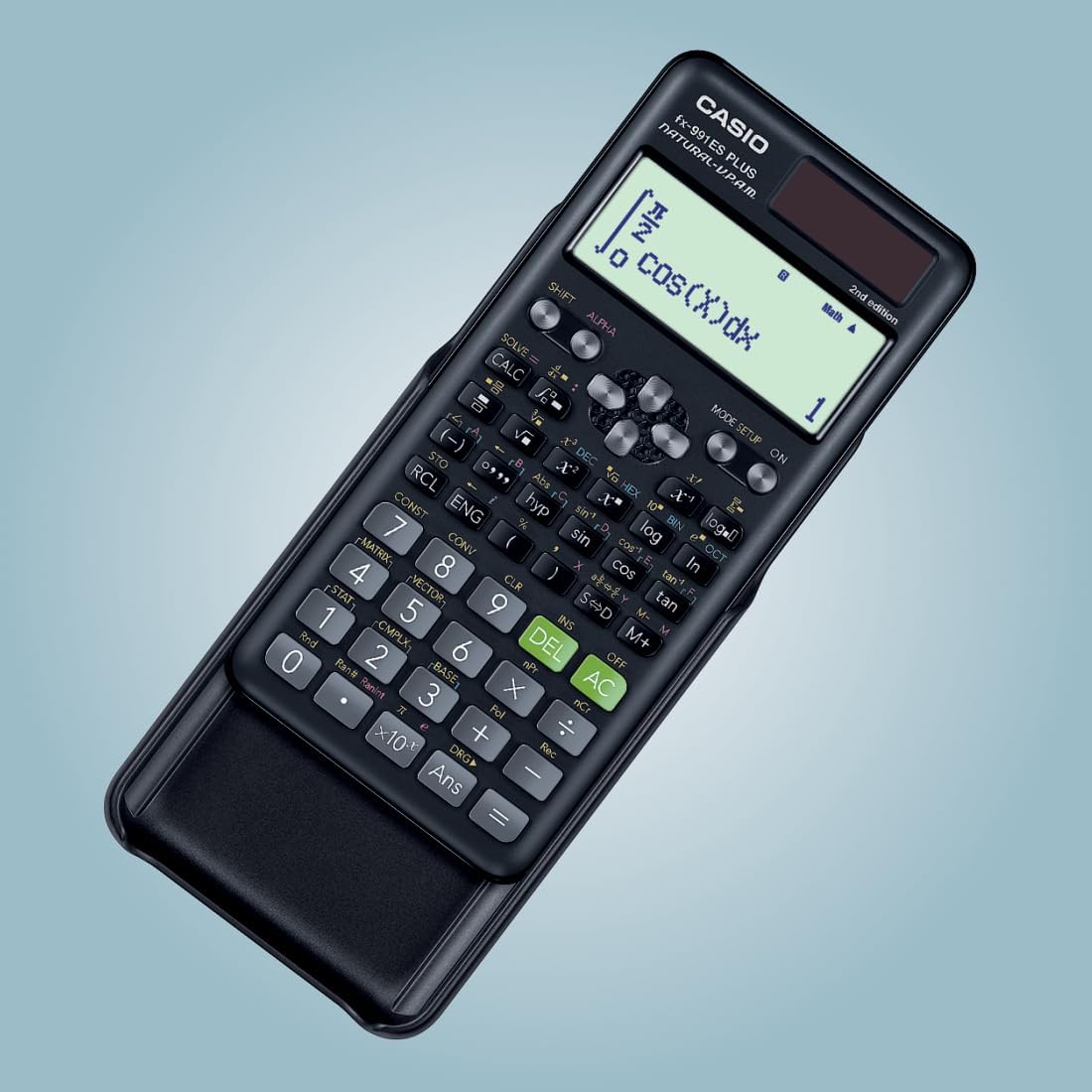
Casio FX-991ES Plus
The professional-grade scientific calculator with 417 functions, natural display, and solar power. Perfect for students and professionals.
View on Amazon