Stress Level Score Calculator
Assess your stress level with a comprehensive score based on lifestyle factors, symptoms, and psychological indicators
Based on the Perceived Stress Scale (PSS-10) by Cohen, Kamarck & Mermelstein (1983). For each question, select how often you have felt or thought a certain way during the last month.
Total Score
out of 40
Stress Level
Percentile
Score Visualization
Recommendations
Understanding the Perceived Stress Scale (PSS-10)
The Perceived Stress Scale (PSS) is the most widely used psychological instrument for measuring the perception of stress. It was developed by Sheldon Cohen and colleagues in 1983 and has been validated across numerous populations worldwide. The PSS-10 measures the degree to which situations in your life are appraised as stressful — unpredictable, uncontrollable, and overloading. The questions ask about your feelings and thoughts during the last month.
Score Interpretation
- Low Stress (0–13): You are managing stress well. Your current coping strategies appear effective.
- Moderate Stress (14–26): You are experiencing a moderate level of stress. Consider adopting additional stress management techniques.
- High Stress (27–40): You are experiencing high levels of perceived stress. It is recommended to seek support from a mental health professional.
What Contributes to Stress?
Work & Financial
- • Job pressure and deadlines
- • Financial uncertainty
- • Career transitions
- • Workplace conflict
Relationships & Social
- • Family responsibilities
- • Relationship conflicts
- • Social isolation
- • Loss and grief
Health & Lifestyle
- • Chronic illness or pain
- • Sleep deprivation
- • Poor nutrition
- • Lack of physical activity
Evidence-Based Stress Management Strategies
Research has identified several effective strategies for reducing perceived stress. The following approaches are supported by scientific evidence:
- Regular physical exercise: At least 150 minutes of moderate aerobic activity per week has been shown to significantly reduce stress hormones (Salmon, 2001)
- Mindfulness meditation: Even 10 minutes daily can reduce cortisol levels and improve emotional regulation (Creswell et al., 2014)
- Social support: Maintaining strong social connections acts as a buffer against the negative effects of stress (Cohen & Wills, 1985)
- Sleep hygiene: Consistent 7–9 hours of sleep helps restore the body's stress response system (Walker, 2017)
- Cognitive restructuring: Identifying and challenging negative thought patterns can change how you perceive stressful situations (Beck, 1979)
References
The scoring and interpretation used in this calculator are based on peer-reviewed scientific research:
- Cohen, S., Kamarck, T., & Mermelstein, R. (1983). A Global Measure of Perceived Stress. Journal of Health and Social Behavior, 24(4), 385–396.
- Cohen, S., & Janicki-Deverts, D. (2012). Who's Stressed? Distributions of Psychological Stress in the United States. Journal of Applied Social Psychology, 42(6), 1320–1334.
- Carnegie Mellon University — Laboratory for the Study of Stress, Immunity, and Disease: PSS Scale
- American Psychological Association — Stress Resources
- The American Institute of Stress — Stress Effects
Disclaimer: This calculator is for educational and informational purposes only. It is not a diagnostic tool and does not replace professional medical or psychological advice. The Perceived Stress Scale measures subjective stress perception, not clinical conditions. If you are experiencing significant distress, please consult a qualified mental health professional. If you are in crisis, contact the 988 Suicide & Crisis Lifeline by calling or texting 988.
Recommended Calculator
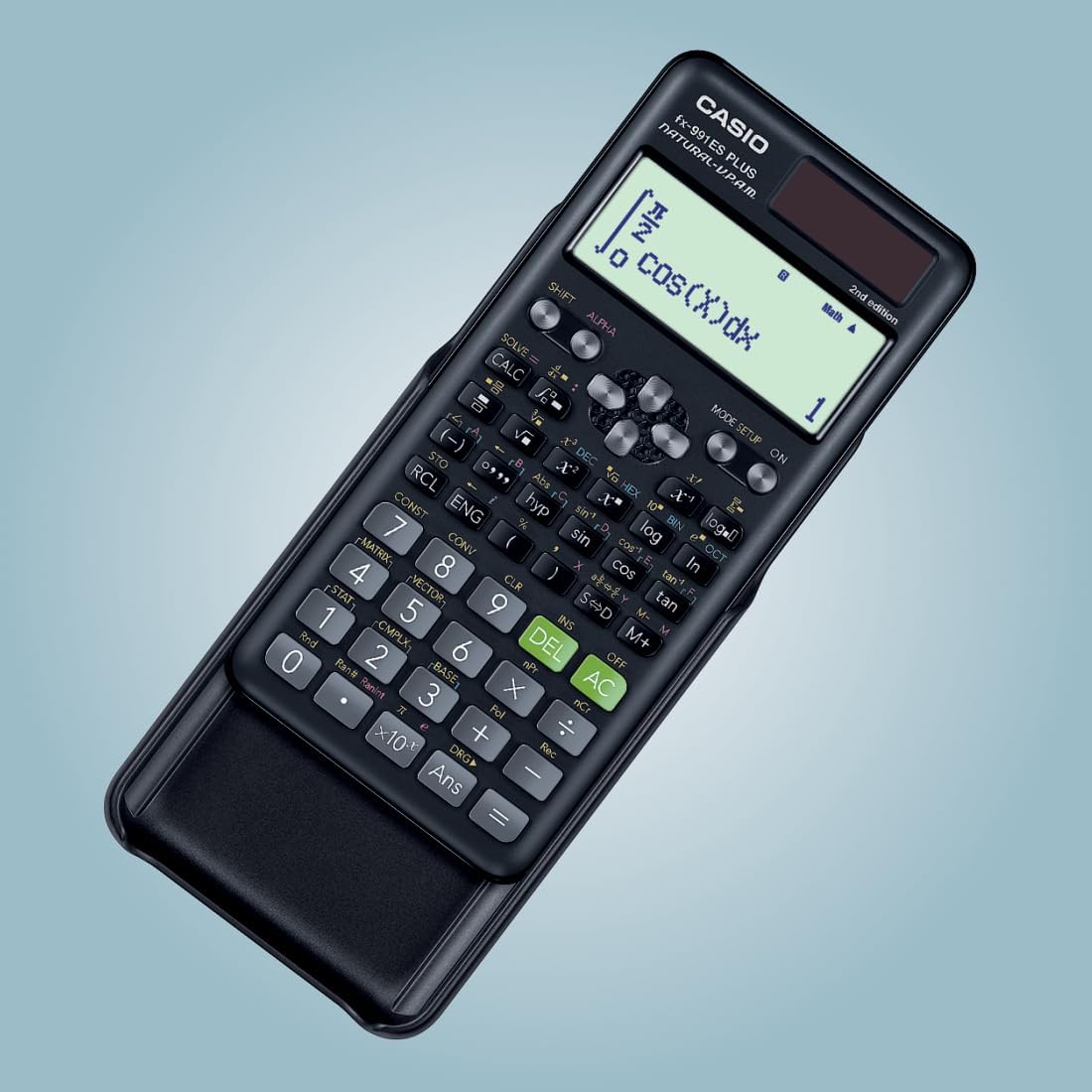
Casio FX-991ES Plus
The professional-grade scientific calculator with 417 functions, natural display, and solar power. Perfect for students and professionals.
View on Amazon