Testosterone Level Estimator
Estimate testosterone levels based on age, lifestyle factors, and symptoms for men's health assessment
Normal: 18.5–24.9 | Overweight: 25–29.9 | Obese: 30+
Lifestyle Factors
Symptom Assessment
Select any symptoms you are currently experiencing.
Estimated Range
ng/dL (total testosterone)
Classification
Symptom Score
Your Estimated Range vs. Clinical Reference
<300 Low-Normal
300–400 Normal
400–700 High-Normal
700–900 High
>900
Lifestyle Impact Breakdown
Personalized Recommendations
Important: This tool provides an educational estimate only. It is not a medical test. Testosterone levels can only be accurately measured through a blood test (serum total and free testosterone), typically drawn in the early morning. If you suspect low testosterone, consult a healthcare provider for proper testing and diagnosis.
Understanding Testosterone
Testosterone is the primary male sex hormone (androgen) produced mainly in the testes. It plays a critical role in the development of male reproductive tissues, muscle mass, bone density, body hair, and red blood cell production. Testosterone also significantly influences mood, energy levels, cognitive function, and libido. Production peaks during adolescence and early adulthood, then gradually declines by approximately 1–2% per year after age 30.
Normal Testosterone Ranges by Age
| Age Group | Total Testosterone (ng/dL) | Free Testosterone (pg/mL) |
|---|---|---|
| 18–25 years | 400–1,000 | 9.0–30.0 |
| 26–35 years | 350–900 | 8.0–25.0 |
| 36–45 years | 300–850 | 6.5–22.0 |
| 46–55 years | 250–750 | 5.5–18.0 |
| 56–65 years | 200–650 | 4.5–15.0 |
| 65+ years | 150–550 | 3.5–12.0 |
Reference ranges based on Travison et al. (2017) and AUA/Endocrine Society guidelines. Clinically, total testosterone below 300 ng/dL is generally considered low (hypogonadism).
Key Factors That Affect Testosterone
Age-Related Decline
- • Testosterone peaks in late teens to early 20s
- • Declines ~1–2% per year after age 30
- • By age 70, levels may be 30–50% lower than peak
- • SHBG (sex hormone-binding globulin) increases with age, reducing free T
Exercise & Physical Activity
- • Resistance training acutely boosts testosterone
- • Compound movements (squats, deadlifts) show greatest effect
- • Regular exercise improves long-term baseline levels
- • Excessive endurance training (overtraining) can decrease T
Sleep Quality
- • Most testosterone is produced during sleep
- • Sleeping only 5 hours can reduce T by 10–15%
- • Optimal: 7–9 hours of quality sleep per night
- • Sleep apnea is strongly linked to low testosterone
Body Composition
- • Excess body fat increases aromatase activity (converts T to estrogen)
- • Obesity can reduce testosterone by 30–50%
- • Visceral fat has the strongest negative correlation
- • Weight loss in obese men significantly raises T levels
Stress & Cortisol
- • Chronic stress elevates cortisol, which suppresses T production
- • Cortisol and testosterone have an inverse relationship
- • Stress management can help maintain healthy T levels
- • Meditation, breathing exercises, and adequate rest help
Diet & Nutrition
- • Adequate dietary fat is essential for T synthesis
- • Zinc and vitamin D deficiency linked to low T
- • Excessive alcohol impairs Leydig cell function
- • Processed foods and high sugar intake negatively affect T
Signs and Symptoms of Low Testosterone
Physical Symptoms
- • Fatigue and decreased energy
- • Loss of muscle mass and strength
- • Increased body fat
- • Decreased bone density
- • Reduced body and facial hair
- • Hot flashes
Sexual Symptoms
- • Reduced libido
- • Erectile dysfunction
- • Decreased spontaneous erections
- • Reduced sperm production
- • Infertility
Psychological Symptoms
- • Depressed mood
- • Irritability
- • Difficulty concentrating
- • Decreased motivation
- • Memory issues
- • Reduced self-confidence
References
The estimation model and reference data used in this calculator are based on peer-reviewed research and clinical guidelines:
- Travison, T.G. et al. (2017). "Harmonized Reference Ranges for Circulating Testosterone Levels in Men of Four Cohort Studies in the United States and Europe." The Journal of Clinical Endocrinology & Metabolism, 102(4), 1161–1173. DOI: 10.1210/jc.2016-2935
- Bhasin, S. et al. (2018). "Testosterone Therapy in Men With Hypogonadism: An Endocrine Society Clinical Practice Guideline." The Journal of Clinical Endocrinology & Metabolism, 103(5), 1715–1744. DOI: 10.1210/jc.2018-00229
- Leproult, R. & Van Cauter, E. (2011). "Effect of 1 Week of Sleep Restriction on Testosterone Levels in Young Healthy Men." JAMA, 305(21), 2173–2174. DOI: 10.1001/jama.2011.710
- Kumagai, H. et al. (2016). "Increased physical activity has a greater effect than reduced energy intake on lifestyle modification-induced increases in testosterone." Journal of Clinical Biochemistry and Nutrition, 58(1), 84–89. DOI: 10.3164/jcbn.15-48
- Mulhall, J.P. et al. (2018). "Evaluation and Management of Testosterone Deficiency: AUA Guideline." The Journal of Urology, 200(2), 423–432. DOI: 10.1016/j.juro.2018.03.115
- Corona, G. et al. (2020). "Testosterone supplementation and body composition: results from a meta-analysis of observational studies." Journal of Endocrinological Investigation, 39(9), 967–981. DOI: 10.1007/s40618-016-0480-2
- Camacho, E.M. et al. (2013). "Age-associated changes in hypothalamic-pituitary-testicular function in middle-aged and older men are modified by weight change and lifestyle factors." European Journal of Endocrinology, 168(3), 445–455. DOI: 10.1530/EJE-12-0890
Note: This calculator provides a rough estimate of testosterone levels based on age-related norms and research-documented lifestyle modifiers. It is not a substitute for a blood test. Individual testosterone levels are influenced by genetics, medical conditions, medications, and many other factors not captured here. The only way to know your actual testosterone level is through a serum blood test, ideally drawn between 7–10 AM when levels are highest. If you are experiencing symptoms of low testosterone, consult a urologist or endocrinologist.
Recommended Calculator
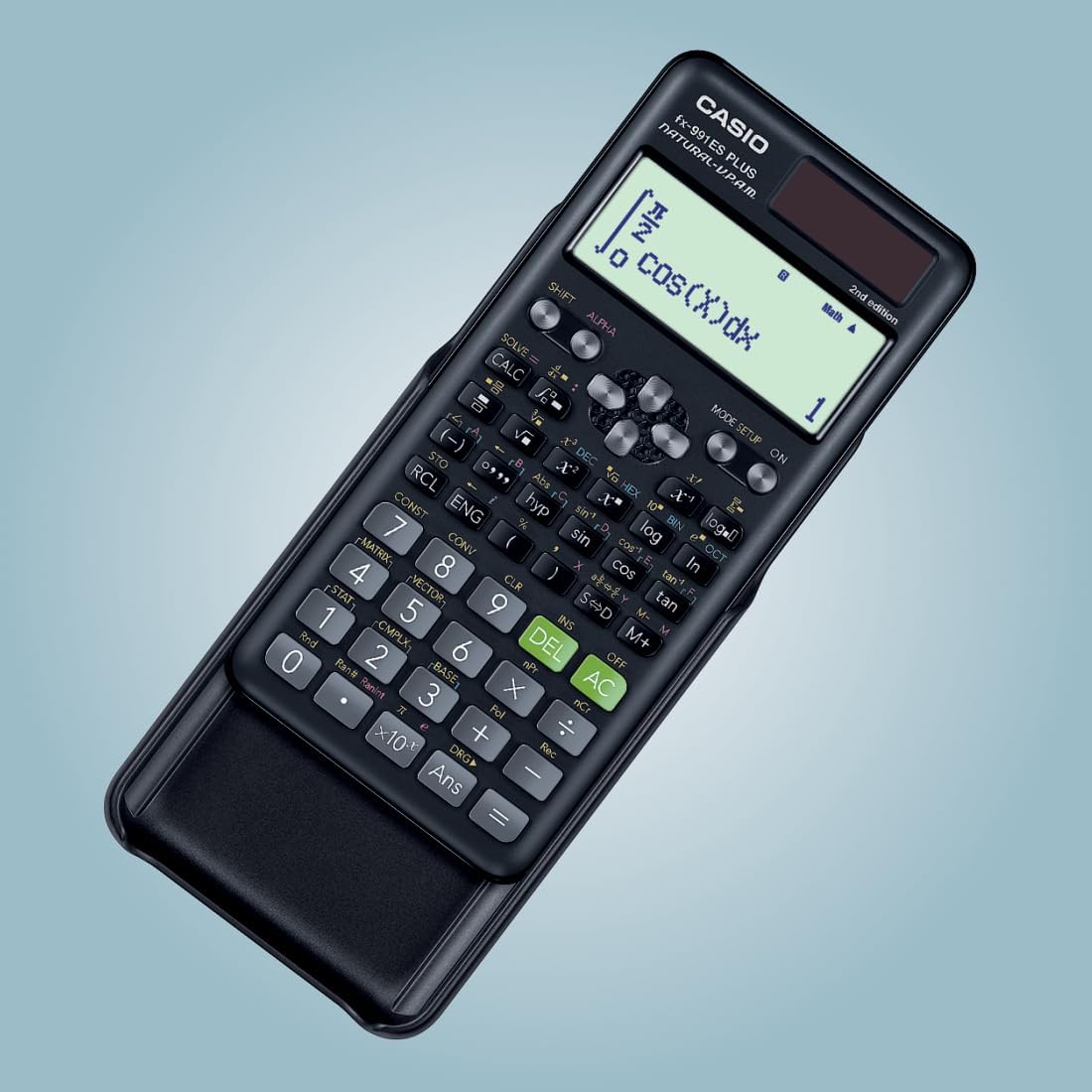
Casio FX-991ES Plus
The professional-grade scientific calculator with 417 functions, natural display, and solar power. Perfect for students and professionals.
View on Amazon