IP Subnet Calculator
Calculate subnet masks, network addresses, broadcast addresses, and available host ranges for IPv4 networks
Network Address
Broadcast Address
Subnet Mask
Wildcard Mask
Usable Host Range
First Host
Last Host
Total Usable Hosts
CIDR Notation
Total Addresses
IP Class
IP Type
Binary Representation
Understanding IP Subnetting
IP subnetting is the process of dividing a larger network into smaller, more manageable sub-networks (subnets). Each subnet has its own range of IP addresses, enabling better network organization, improved security, and more efficient use of IP address space. Subnetting is a fundamental concept in networking defined by RFC 950 and later extended by RFC 1519 (CIDR).
Key Concepts
- Network Address: The first address in a subnet, identifies the network itself. All host bits are set to 0.
- Broadcast Address: The last address in a subnet, used to communicate with all hosts on that network. All host bits are set to 1.
- Subnet Mask: A 32-bit number that separates the network portion from the host portion of an IP address.
- CIDR Notation: A compact way to express an IP address and its associated subnet mask (e.g., 192.168.1.0/24).
- Wildcard Mask: The inverse of the subnet mask, commonly used in access control lists (ACLs) on routers.
- Usable Hosts: Total addresses minus 2 (network and broadcast addresses). For a /31 prefix, RFC 3021 allows 2 usable hosts.
Common Subnet Masks
| CIDR | Subnet Mask | Total Addresses | Usable Hosts |
|---|---|---|---|
| /8 | 255.0.0.0 | 16,777,216 | 16,777,214 |
| /16 | 255.255.0.0 | 65,536 | 65,534 |
| /24 | 255.255.255.0 | 256 | 254 |
| /25 | 255.255.255.128 | 128 | 126 |
| /26 | 255.255.255.192 | 64 | 62 |
| /27 | 255.255.255.224 | 32 | 30 |
| /28 | 255.255.255.240 | 16 | 14 |
| /30 | 255.255.255.252 | 4 | 2 |
IPv4 Address Classes
IPv4 addresses were originally divided into five classes (A through E) based on the leading bits of the address. Although classful networking has been replaced by CIDR, understanding classes is still useful for identifying default masks and address ranges.
| Class | Range | Default Mask | Purpose |
|---|---|---|---|
| A | 1.0.0.0 - 126.255.255.255 | 255.0.0.0 (/8) | Large networks |
| B | 128.0.0.0 - 191.255.255.255 | 255.255.0.0 (/16) | Medium networks |
| C | 192.0.0.0 - 223.255.255.255 | 255.255.255.0 (/24) | Small networks |
| D | 224.0.0.0 - 239.255.255.255 | N/A | Multicast |
| E | 240.0.0.0 - 255.255.255.255 | N/A | Reserved / Experimental |
Private vs Public IP Addresses
Certain IP address ranges are reserved for private use within local networks and are not routable on the public internet. These ranges are defined in RFC 1918.
Class A Private
- 10.0.0.0 - 10.255.255.255
- Prefix: 10.0.0.0/8
- 16,777,216 addresses
- Large enterprise networks
Class B Private
- 172.16.0.0 - 172.31.255.255
- Prefix: 172.16.0.0/12
- 1,048,576 addresses
- Medium enterprise networks
Class C Private
- 192.168.0.0 - 192.168.255.255
- Prefix: 192.168.0.0/16
- 65,536 addresses
- Home and small office networks
References
The subnetting calculations and networking concepts used in this calculator are based on the following Internet Engineering Task Force (IETF) standards and authoritative resources:
Related Calculators
Note: This calculator provides IPv4 subnet calculations for educational and network planning purposes. Always verify network configurations with your network administrator before making changes to production environments.
Recommended Calculator
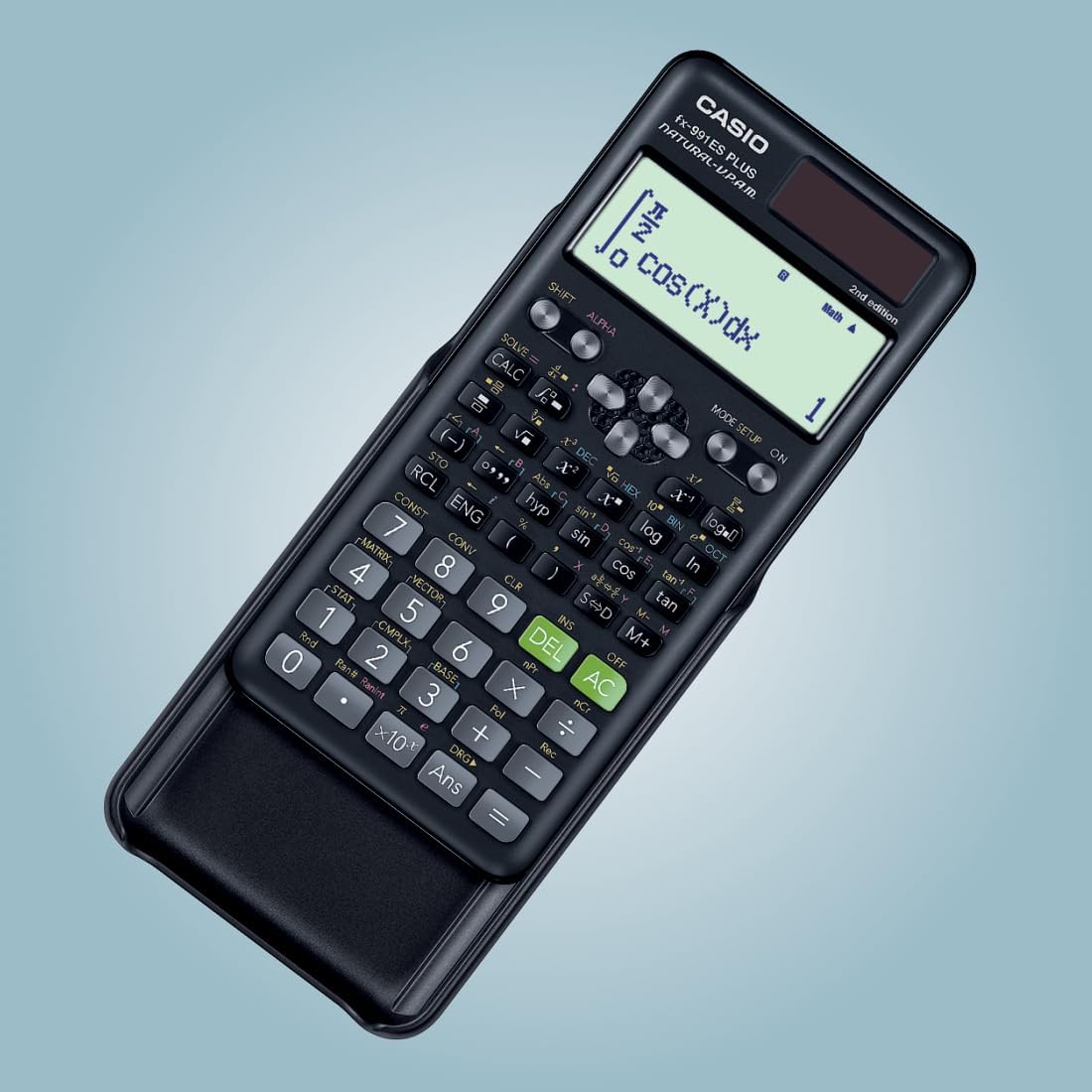
Casio FX-991ES Plus
The professional-grade scientific calculator with 417 functions, natural display, and solar power. Perfect for students and professionals.
View on Amazon