Stroke Volume Calculator
Calculate stroke volume, ejection fraction, and cardiac function using multiple methods
Ventricular Volumes
Normal: 100-160 mL (male), 80-130 mL (female)
Normal: 30-60 mL (male), 25-50 mL (female)
Cardiac Output & Heart Rate
Normal: 4-8 L/min at rest
Normal resting: 60-100 bpm
LVOT Doppler Echocardiography
Left Ventricular Outflow Tract method using diameter and velocity-time integral
Measured in parasternal long-axis view
Normal: 18-22 cm
From Ejection Fraction
Normal: 55-70%
Stroke Volume (SV)
Ejection Fraction (EF)
Cardiac Function Assessment
Stroke Volume Status
Ejection Fraction Status
Calculation Details
Understanding Stroke Volume
Stroke volume (SV) is the volume of blood pumped from the left ventricle with each heartbeat, measured in milliliters (mL). It represents the difference between the volume of blood in the ventricle at the end of diastole (filling phase) and at the end of systole (contraction phase). Stroke volume is a key determinant of cardiac output and reflects the heart's pumping efficiency.
Key Concepts
Stroke Volume (SV)
SV = EDV - ESV
Normal range: 60-100 mL/beat (70 mL average) | Can increase to 150+ mL during exercise
End-Diastolic Volume (EDV)
Volume of blood in the left ventricle at the end of filling (diastole). Also called preload. Normal: 100-160 mL (male), 80-130 mL (female)
End-Systolic Volume (ESV)
Volume of blood remaining in the left ventricle after contraction (systole). Normal: 30-60 mL (male), 25-50 mL (female)
Ejection Fraction (EF)
EF = (SV / EDV) × 100%
Percentage of blood ejected with each beat. Most important measure of systolic function. Normal: 55-70%
Determinants of Stroke Volume
1️⃣ Preload (End-Diastolic Volume)
The degree of ventricular stretching before contraction. Related to venous return and Frank-Starling mechanism.
Increases SV:
- • Increased venous return
- • Increased blood volume
- • Vasoconstriction
- • Exercise (muscle pump)
- • Lying down position
Decreases SV:
- • Decreased blood volume (hemorrhage)
- • Vasodilation
- • Standing up (pooling)
- • Mitral stenosis
- • Pericardial tamponade
2️⃣ Contractility (Inotropic State)
The intrinsic strength of cardiac muscle contraction, independent of preload and afterload.
Positive Inotropes:
- • Sympathetic stimulation (β₁)
- • Epinephrine, norepinephrine
- • Digitalis, dobutamine
- • Increased calcium
- • Exercise training
Negative Inotropes:
- • Heart failure
- • Myocardial infarction
- • Beta-blockers
- • Calcium channel blockers
- • Acidosis, hypoxia
3️⃣ Afterload (Aortic Pressure)
The resistance against which the ventricle must eject blood. Primarily determined by arterial blood pressure.
Decreases Afterload (↑ SV):
- • Vasodilators (ACE inhibitors)
- • Lower blood pressure
- • Reduced arterial stiffness
- • Aortic regurgitation
Increases Afterload (↓ SV):
- • Hypertension
- • Aortic stenosis
- • Increased arterial stiffness
- • Vasoconstriction
Ejection Fraction Classification
Normal EF: 55-70%
Indication: Normal systolic function. Heart pumps efficiently with adequate contractility.
Mildly Reduced EF: 45-54%
Indication: Borderline dysfunction. May progress to heart failure. Requires monitoring and risk factor management.
Moderately Reduced EF: 35-44%
Indication: Heart failure with reduced ejection fraction (HFrEF). Requires medical therapy (ACE inhibitors, beta-blockers, etc.).
Severely Reduced EF: <35%
Indication: Severe systolic dysfunction. High risk of arrhythmias, sudden cardiac death, and decompensated heart failure.
Management: May require ICD (implantable cardioverter-defibrillator), cardiac resynchronization therapy, or advanced therapies.
Hyperdynamic EF: >70%
Causes: Hypercontractile states, hypertrophic cardiomyopathy, low afterload states, or measurement artifact. Clinical correlation needed.
Clinical Applications
Diagnostic Use
- • Assessing heart failure severity
- • Evaluating cardiomyopathy
- • Post-myocardial infarction assessment
- • Valvular heart disease evaluation
- • Monitoring cardiotoxic medication effects
Prognostic Value
- • Predicts mortality in heart failure
- • Guides ICD/CRT device selection
- • Assesses surgical risk
- • Monitors response to therapy
- • Determines transplant candidacy
Exercise Physiology
- • SV increases with exercise (↑ EDV, ↓ ESV)
- • Reaches plateau at moderate intensity
- • Athletes have higher resting SV (70-100 mL)
- • Can increase to 150-200 mL during maximal exercise
- • Training enhances ventricular compliance
Monitoring Therapy
- • Response to heart failure medications
- • Chemotherapy cardiotoxicity screening
- • Post-operative cardiac function
- • Fluid management in critical care
- • Effectiveness of cardiac rehabilitation
References
Stroke volume and ejection fraction measurements are based on established cardiovascular physiology:
Related Calculators
Medical Disclaimer: This calculator is for educational and informational purposes only. Stroke volume and ejection fraction values should be interpreted by qualified healthcare professionals in the context of complete clinical assessment including physical examination, medical history, and imaging studies. This tool does not replace professional echocardiographic evaluation or clinical judgment. If you have concerns about cardiac function, consult a cardiologist or healthcare provider.
Recommended Calculator
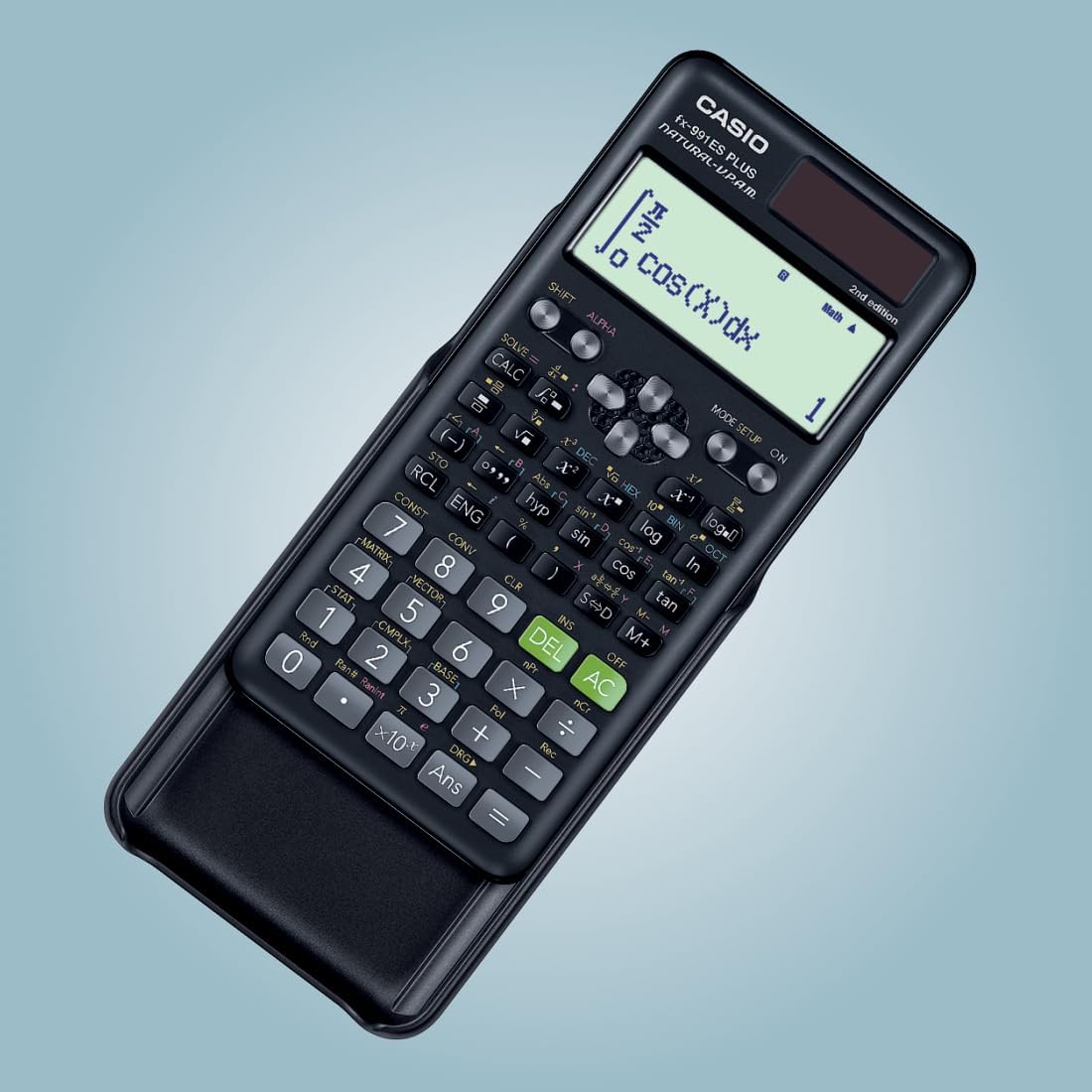
Casio FX-991ES Plus
The professional-grade scientific calculator with 417 functions, natural display, and solar power. Perfect for students and professionals.
View on Amazon