Soil Volume Calculator
Calculate the volume of soil needed for raised beds, gardens, and landscaping projects
Results
Step-by-Step Calculation
Understanding Soil Volume
Whether you are filling raised garden beds, topping off planters, or preparing a new landscaping area, knowing how much soil you need saves time, money, and trips to the garden center. Soil is typically sold by the cubic yard for bulk delivery or in bags measured in cubic feet or quarts.
Basic Volume Formulas:
- Rectangular Bed: Volume = Length x Width x Depth
- Circular Bed: Volume = pi x (Diameter/2)^2 x Depth
- Irregular Area: Volume = Area x Depth
Key Conversions:
- 1 cubic yard = 27 cubic feet
- 1 cubic foot = 25.71 dry quarts
- 1 cubic yard = 0.7646 cubic meters
- 1 cubic yard of soil weighs approximately 2,000 - 2,400 lbs (907 - 1,089 kg)
Recommended Soil Depths
| Application | Depth (inches) | Depth (cm) | Notes |
|---|---|---|---|
| Lawn Topdressing | 0.25" - 0.5" | 0.6 - 1.3 cm | Thin layer over existing grass |
| New Lawn | 4" - 6" | 10 - 15 cm | Topsoil for new grass establishment |
| Flower Beds | 6" - 8" | 15 - 20 cm | Annuals, perennials, bulbs |
| Raised Garden Beds | 10" - 12" | 25 - 30 cm | Vegetables, herbs, deep-rooted plants |
| Deep Root Vegetables | 12" - 18" | 30 - 45 cm | Tomatoes, carrots, potatoes |
| Trees and Shrubs | 18" - 24" | 45 - 60 cm | Larger root systems need deeper soil |
Important: Soil settles over time, typically compacting by 10-20% after watering and natural settling. Always order extra to account for this.
Common Soil Types
Topsoil
The uppermost layer of natural soil, ideal for general gardening:
- • Weight: ~2,000 lbs per cubic yard
- • Best for lawns, general landscaping
- • Usually needs amendment for garden beds
- • Varies widely in quality by source
Garden Soil / Garden Mix
Enriched soil blend for planting beds:
- • Weight: ~2,200 lbs per cubic yard
- • Topsoil blended with compost and amendments
- • Excellent for raised beds and gardens
- • Better drainage and nutrient content
Potting Mix
Lightweight soilless mix for containers:
- • Weight: ~800 - 1,200 lbs per cubic yard
- • Peat moss, perlite, vermiculite blend
- • Best for pots, planters, and containers
- • Excellent drainage and aeration
Fill Dirt
Subsoil for grading and filling:
- • Weight: ~2,200 - 2,400 lbs per cubic yard
- • Used for leveling and filling holes
- • Not suitable for planting
- • Compacts well for structural base
Tips for Ordering and Using Soil
1. Account for Settling
Fresh soil compacts and settles 10-20% after watering and over time. Order 10-20% more than calculated to ensure beds remain full. This is especially important for raised garden beds.
2. Bulk vs. Bagged
- • Bulk delivery: Cost-effective for 1+ cubic yards. Sold by the cubic yard.
- • Bagged soil: Convenient for small projects. Typical bags are 1, 1.5, or 2 cubic feet.
- • Break-even: Bulk is usually cheaper above 1-2 cubic yards.
3. Soil Mix for Raised Beds
A popular recipe for raised bed soil is: 60% topsoil, 30% compost, and 10% potting mix or perlite. This creates well-draining, nutrient-rich growing medium. For very deep beds, you can fill the bottom third with coarser material to save on premium soil.
4. Delivery Considerations
- • One cubic yard of soil weighs about 1 ton and fills a standard pickup truck bed
- • Ensure your delivery area can support the weight of a delivery truck
- • Have a tarp ready if soil will sit before use
- • Most suppliers require a minimum order (typically 1-3 cubic yards)
Related Calculators
Note: This calculator provides estimates based on standard geometric formulas. Actual soil requirements may vary due to irregular ground surfaces, settling, compaction, and specific soil types. For large landscaping projects, consult with a local soil supplier for precise measurements and recommendations.
Recommended Calculator
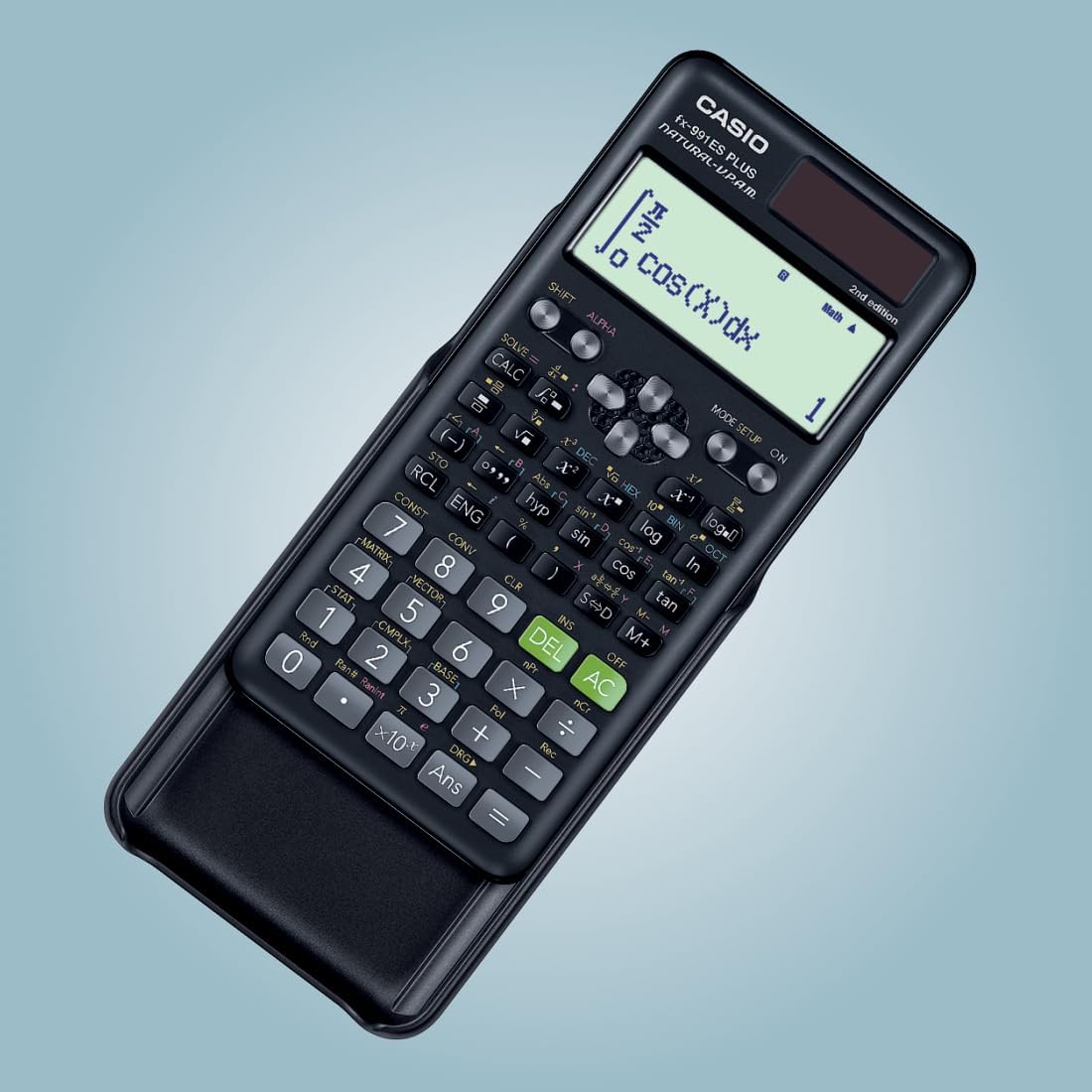
Casio FX-991ES Plus
The professional-grade scientific calculator with 417 functions, natural display, and solar power. Perfect for students and professionals.
View on Amazon