Mulch Volume Calculator
Calculate the volume of mulch needed to cover garden beds and landscaping areas
Results
Step-by-Step Calculation
Understanding Mulch Volume
Mulch is sold by volume, typically in cubic yards (yd³) for bulk delivery or in bags measured in cubic feet (ft³). Knowing exactly how much mulch you need prevents over-buying and ensures full coverage for weed suppression, moisture retention, and soil temperature regulation.
Basic Formula:
- Rectangular Bed: Volume = Length × Width × Depth
- Circular Bed: Volume = π × (Diameter/2)² × Depth
- Triangular Bed: Volume = ½ × Base × Height × Depth
Key Conversions:
- 1 cubic yard = 27 cubic feet = 13.5 standard bags (2 ft³)
- 1 cubic yard covers ~162 sq ft at 2" depth
- 1 cubic yard covers ~108 sq ft at 3" depth
- 1 cubic yard covers ~81 sq ft at 4" depth
Recommended Mulch Depths
| Application | Depth (inches) | Depth (cm) | Purpose |
|---|---|---|---|
| Flower Beds | 2" - 3" | 5 - 7.5 cm | Weed control, moisture retention |
| Tree Rings | 2" - 4" | 5 - 10 cm | Root protection, moisture |
| Vegetable Gardens | 2" - 3" | 5 - 7.5 cm | Weed suppression, soil health |
| Walkways / Paths | 4" - 6" | 10 - 15 cm | Foot traffic, weed barrier |
| Playground Areas | 6" - 12" | 15 - 30 cm | Safety cushioning |
| Slope Erosion Control | 3" - 4" | 7.5 - 10 cm | Prevent soil erosion |
Important: Do not pile mulch deeper than 4 inches around plant stems or tree trunks. "Volcano mulching" (piling mulch against the trunk) can cause rot, disease, and pest problems.
Types of Mulch
Hardwood Bark Mulch
- • Lasts 1-2 years before needing refresh
- • Natural appearance, dark brown color
- • Best for flower beds and landscaping
- • Moderate cost, widely available
Cedar / Cypress Mulch
- • Natural insect repellent properties
- • Lasts 2-3 years, slow decomposition
- • Pleasant aroma when fresh
- • Higher cost but longer lasting
Pine Straw / Needles
- • Lightweight, easy to spread
- • Slightly acidic, great for azaleas and blueberries
- • Stays in place on slopes
- • Sold in bales rather than bags
Rubber Mulch
- • Does not decompose, lasts 10+ years
- • Excellent for playgrounds (safety rated)
- • Does not attract insects
- • Higher upfront cost, no soil benefit
Mulching Tips
1. Bulk vs. Bags
For areas needing more than 3 cubic yards, bulk delivery is usually more cost-effective. Most landscape supply companies deliver by the cubic yard. For smaller jobs, bagged mulch (typically 2 cu ft bags) offers convenience and easier handling.
2. Preparation Before Mulching
- • Remove old mulch if it exceeds 4 inches total depth
- • Pull or spray weeds before applying new mulch
- • Consider laying landscape fabric for extra weed prevention
- • Edge beds for a clean, defined border
3. Best Time to Mulch
- • Spring: After soil warms up, to retain moisture through summer
- • Fall: To insulate roots and protect plants over winter
- • Avoid mulching frozen or waterlogged soil
- • Refresh annually by adding 1-2 inches on top of existing mulch
4. Proper Application
- • Keep mulch 2-3 inches away from plant stems and tree trunks
- • Spread evenly to the desired depth
- • Water the area after mulching to help settle
- • Do not use plastic sheeting under mulch as it blocks water and air
Related Calculators
Note: This calculator provides estimates based on standard coverage rates. Actual mulch requirements may vary depending on ground conditions, settling, and specific mulch type. Bulk mulch can vary in density and moisture content. Always order 5-10% extra to account for irregular bed shapes and settling after application.
Recommended Calculator
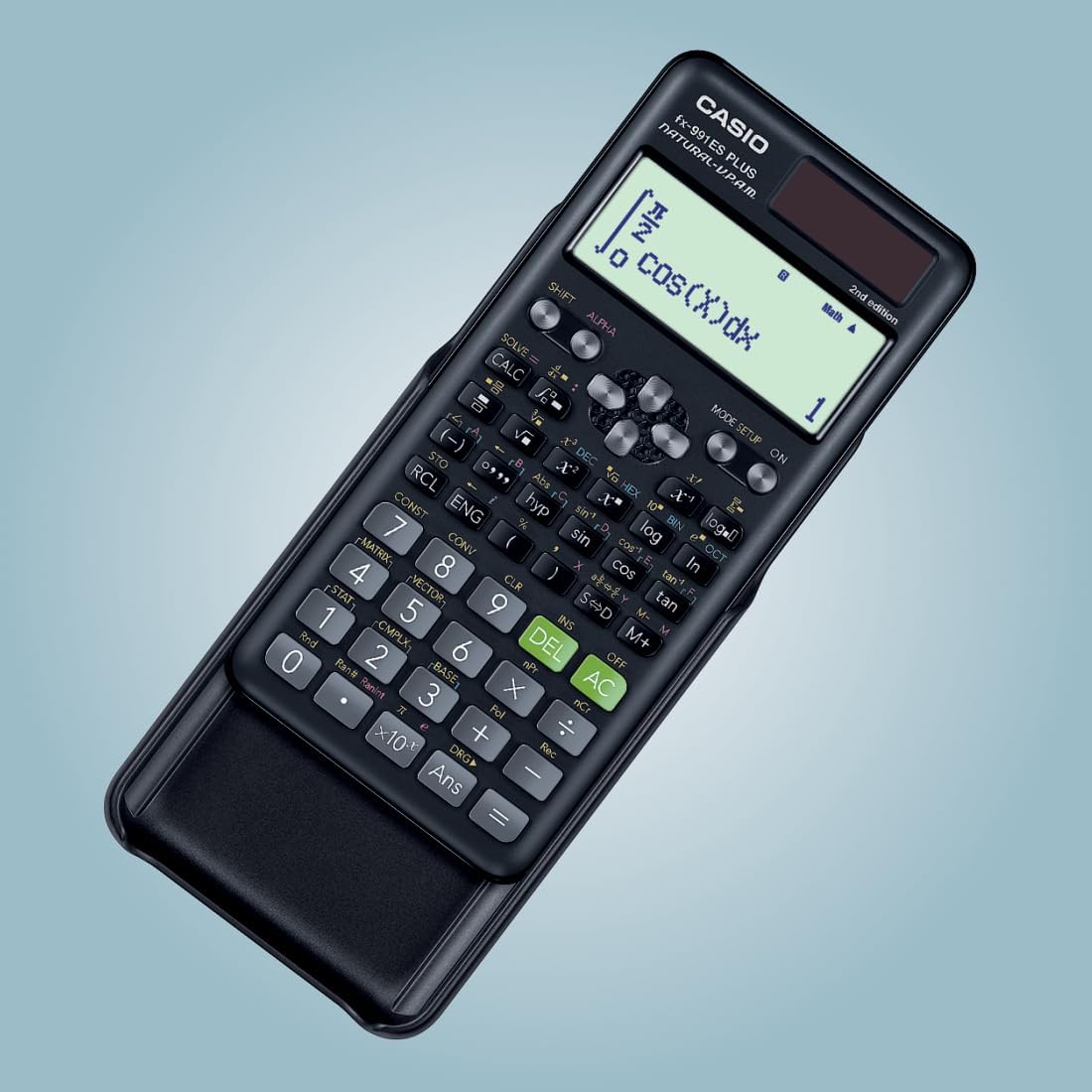
Casio FX-991ES Plus
The professional-grade scientific calculator with 417 functions, natural display, and solar power. Perfect for students and professionals.
View on Amazon